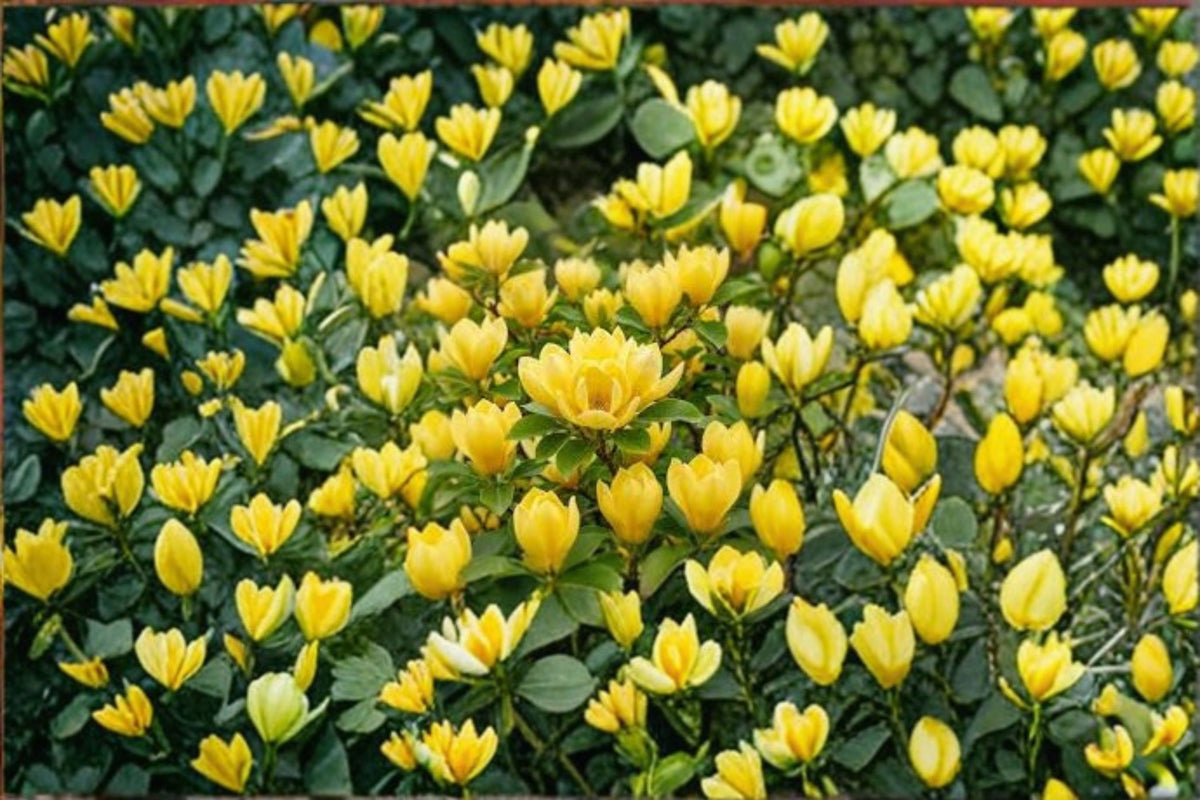
Yellow Bird Magnolia Live Plant | Yellow Flowering Magnolia Tree | 2.5 Inch Pot | Deciduous Ornamental Tree | Zones 4-9
Yellow Bird Magnolia Live Plant | Yellow Flowering Magnolia Tree | 2.5 Inch Pot | Deciduous Ornamental Tree | Zones 4-9
Couldn't load pickup availability
Add an elegant flowering tree to your landscape with a Yellow Bird Magnolia live plant. Known for its distinctive yellow, tulip-shaped spring flowers, this deciduous ornamental tree can become a beautiful focal point as it matures.
🌱 What You’ll Receive
- 1 live Yellow Bird Magnolia plant
- Supplied in a 2.5-inch pot
- Deciduous ornamental tree
- Young starter plant ready for growing on
- Natural variations in plant size, foliage, and form are expected
🌼 Yellow Spring Flowers
Yellow Bird Magnolia is appreciated for its striking yellow, tulip-shaped blooms. Flowering typically occurs in spring when the tree is mature enough to bloom, although timing and flowering performance depend on climate, plant maturity, and growing conditions.
🌳 Mature Size & Growth
- Mature height: approximately 30–40 feet
- Mature width: approximately 15–25 feet
- Upright, pyramidal to rounded form with maturity
- Green foliage with seasonal changes in autumn
- A beautiful choice for specimen planting and ornamental landscapes
☀️ Growing Information
- USDA Zones 4–9
- Full sun to partial shade
- Prefers moist, well-drained soil
- Water regularly while establishing
- Moderate watering once established
- Provide adequate room for mature growth
- Protect young plants from extreme conditions while they establish
🏡 Great For
- Ornamental landscapes
- Specimen trees
- Flowering tree collections
- Cottage and woodland-inspired gardens
- Large garden spaces
- Spring flowering displays
📦 Live Plant Shipping Note
This listing is for 1 live Yellow Bird Magnolia plant in a 2.5-inch pot. Plant size, branching, and foliage may vary naturally according to season and growing conditions. As a deciduous tree, the plant may arrive with reduced foliage or without leaves during dormancy. This is normal seasonal behavior and does not necessarily indicate plant damage.
Share