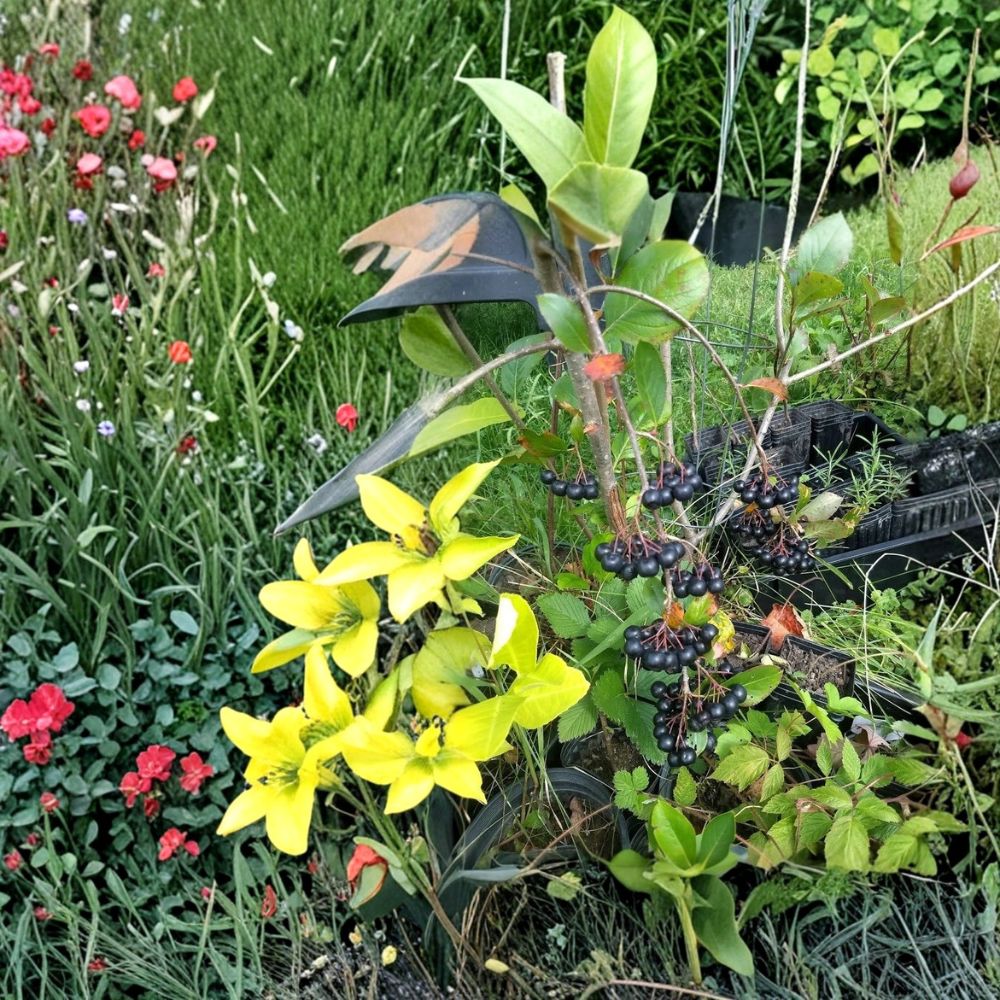
Viking Aronia Berry Plant – Aronia melanocarpa Live Rooted Starter | Zones 3–8 | Self-Pollinating Fruit Shrub | Edible Berries | Cold Hardy
Viking Aronia Berry Plant – Aronia melanocarpa Live Rooted Starter | Zones 3–8 | Self-Pollinating Fruit Shrub | Edible Berries | Cold Hardy
Couldn't load pickup availability
Add a hardy, productive fruiting shrub to your garden with this live Viking Aronia berry plant, Aronia melanocarpa. This woody perennial shrub is well suited to cold climates and can thrive in USDA Zones 3–8. Viking Aronia produces clusters of dark berries that can be used for cooking, juices, drinks, jams, and other homemade preparations. The shrub is self-pollinating, so only one plant is needed for fruit production. This plant is grown naturally in Wisconsin without pesticides or synthetic chemicals and is supplied as a healthy rooted starter plant. Plant size may vary depending on the season, and plants may be dormant when shipped during colder periods.
You will receive:
✔️ 1 live rooted Viking Aronia starter plant
✔️ Fruiting Aronia melanocarpa shrub
✔️ Self-pollinating variety
✔️ Grows approximately 6–8 feet tall at maturity
✔️ Grown naturally without pesticides
✔️ Suitable for edible gardens and home orchards
✔️ Carefully packaged in a protective shipping box
🌼 Growing Information
Common Name: Viking Aronia, Black Chokeberry
Botanical Name: Aronia melanocarpa
Plant Type: Woody perennial fruit shrub
Growth Stage: Rooted starter plant
Sun Requirements: Full sun to partial shade; full sun preferred for best fruiting
Soil: Well-draining, moderately fertile soil; adaptable to various soil types
Watering: Moderate; water regularly while establishing
Mature Height: Approximately 6–8 feet
Growth Rate: Moderate to fast once established
Bloom Time: Spring
Fruit Time: Late summer to fall
Fruit Color: Dark purple to black
USDA Zones: 3–8
Container Friendly: Yes, when grown in a sufficiently large container
💡 Care Tip: Plant your Viking Aronia in a sunny location with well-draining soil and water regularly while it establishes. The shrub is very cold hardy and may naturally enter dormancy during winter. If your plant arrives dormant with little or no foliage, this is normal for the season and it can resume growth as temperatures warm in spring. Allow plenty of room for the mature shrub to develop.
Share