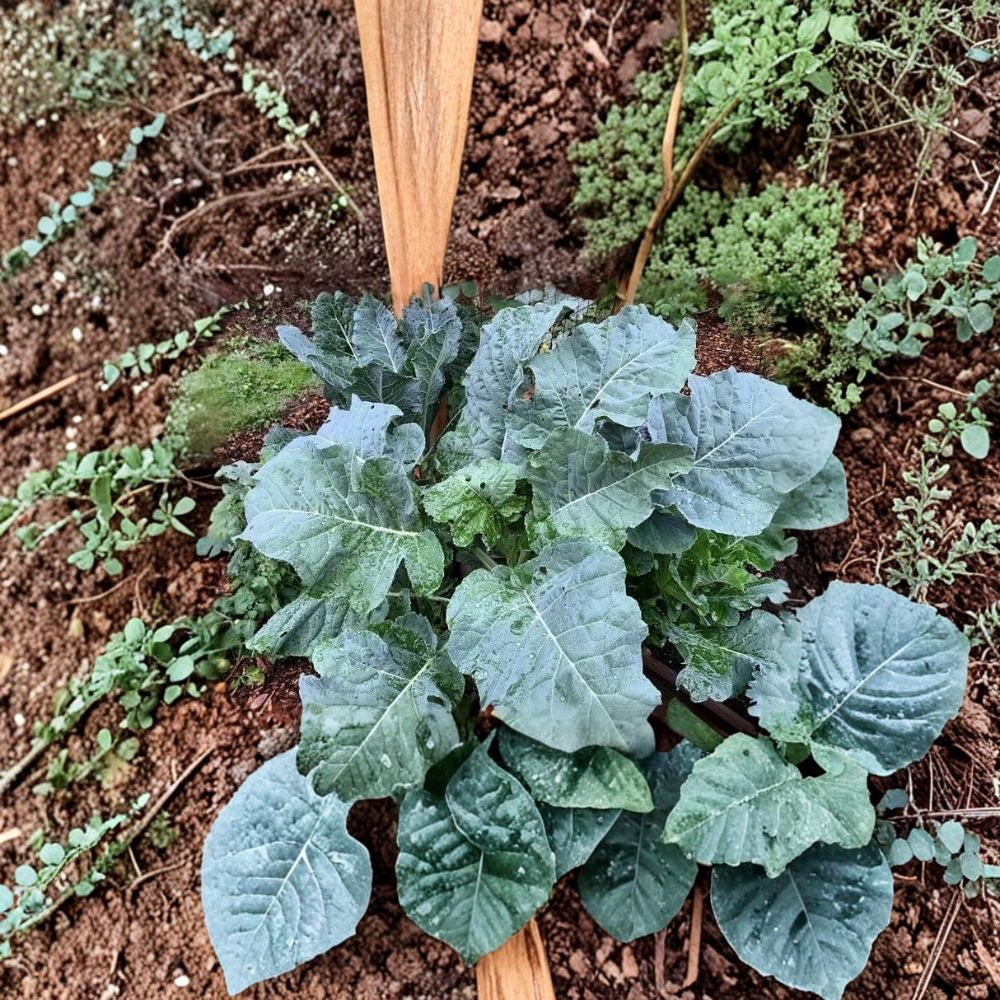
Thousandhead Kale Cuttings – 2 Live Walking Stick Kale Cuttings | 6–7 Inches Long | Propagate at Home | Heirloom Edible Vegetable
Thousandhead Kale Cuttings – 2 Live Walking Stick Kale Cuttings | 6–7 Inches Long | Propagate at Home | Heirloom Edible Vegetable
Couldn't load pickup availability
Grow your own endless supply of nutritious greens with this set of 2 Thousandhead Kale (Walking Stick Kale) cuttings, ready for you to propagate at home. Each cutting measures approximately 6–7 inches long and includes 3 or more leaf nodes to encourage rooting. Known for its incredible productivity, Thousandhead Kale can provide delicious leaves year-round in mild climates and may continue growing for several years with proper care. This heirloom variety is perfect for vegetable gardens, edible landscapes, and container growing.
Leaves are excellent fresh in salads or cooked in soups, stews, stir-fries, pasta dishes, curries, scrambled eggs, and many other recipes. You will receive healthy live cuttings similar in size and quality to those shown in the listing photos.
You will receive:
✔️ 2 Thousandhead Kale (Walking Stick Kale) cuttings
✔️ Approximately 6–7 inches long each
✔️ Each cutting includes 3+ leaf nodes
✔️ Fresh, healthy cuttings ready for propagation
✔️ Secure packaging for safe arrival
🌼 Growing Information
Common Name: Thousandhead Kale, Walking Stick Kale
Botanical Name: Brassica oleracea var. acephala
Plant Type: Biennial to short-lived perennial vegetable
Growth Stage: Fresh cuttings for propagation
Sun Requirements: Full sun to partial shade (6+ hours preferred)
Soil: Rich, fertile, well-draining soil
Watering: Keep soil consistently moist while rooting; water regularly after establishment
Mature Height: Up to 6 feet with support
Growth Rate: Moderate to fast
USDA Zones: 7–10
Container Friendly: Yes
💡 Care Tip: Plant the lower half of each cutting in moist potting soil and keep it in bright, indirect light or light shade while roots develop. Using a rooting hormone can improve rooting success. Once new leaves appear and roots are established, transplant into the garden or a larger container.
Share