Skunk Cabbage – Symplocarpus foetidus Live Bare Root Plant | Freshly Harvested Root | Native Wetland Perennial | Woodland Garden Plant
Skunk Cabbage – Symplocarpus foetidus Live Bare Root Plant | Freshly Harvested Root | Native Wetland Perennial | Woodland Garden Plant
Couldn't load pickup availability
Add a unique native woodland species to your landscape with Skunk Cabbage (Symplocarpus foetidus), one of the earliest blooming perennials in North America. This fascinating wetland plant is known for its distinctive hooded flowers that emerge in late winter to early spring, often before the snow has fully melted, followed by large, lush green leaves that create a bold tropical appearance.
This listing includes one freshly harvested live bare root Skunk Cabbage plant, carefully dug and shipped without soil to preserve freshness. Ideal for rain gardens, woodland landscapes, bog gardens, pond edges, and other consistently moist areas, this native perennial thrives in rich, wet soils and provides valuable early-season habitat for native wildlife.
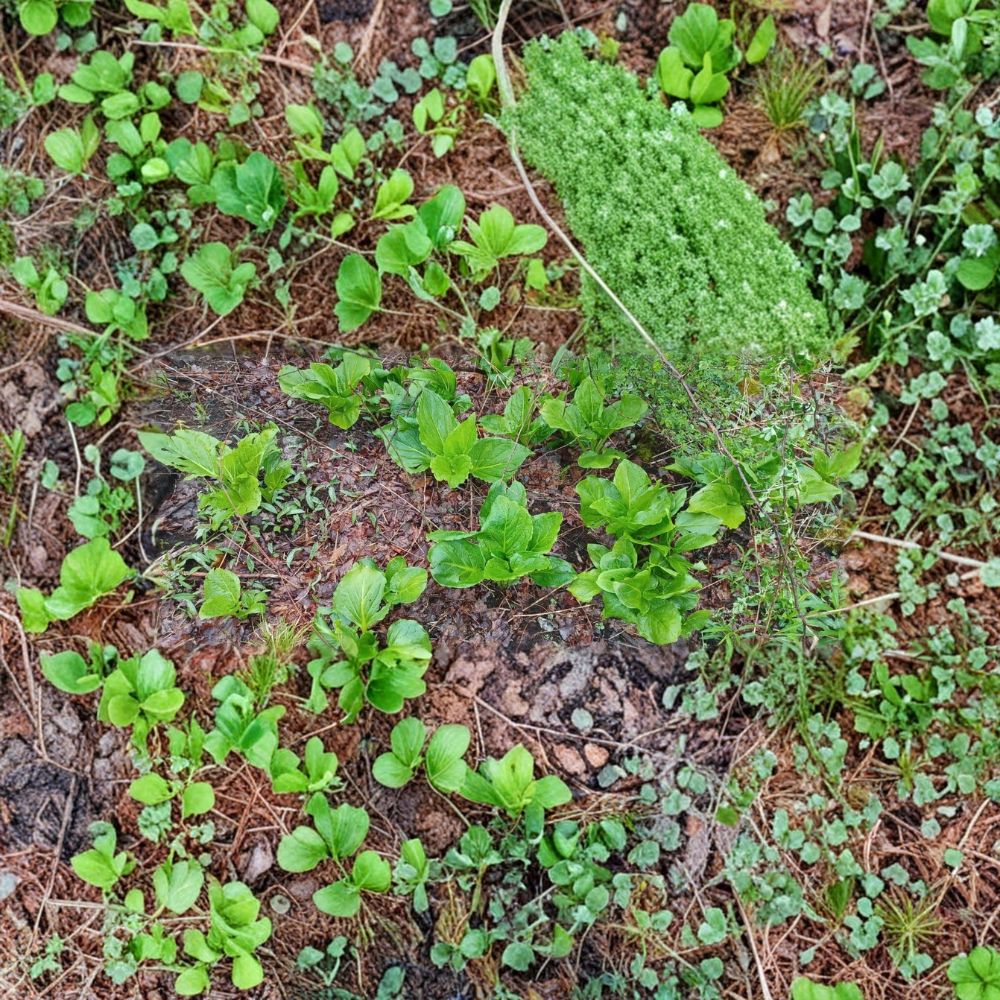
You will receive a live root similar in size and health to the one shown in the listing photos.
You will receive:
- ✔️ 1 live Skunk Cabbage bare root plant
- ✔️ Freshly harvested live root
- ✔️ Healthy, dormant or actively growing plant (season dependent)
- ✔️ Ready for planting
- ✔️ Secure packaging for safe arrival
🌼 Growing Information
Common Name: Skunk Cabbage
Botanical Name: Symplocarpus foetidus
Plant Type: Native herbaceous perennial
Growth Stage: Bare root plant
Sun Requirements: Partial shade to full shade
Soil: Rich, consistently moist to wet soil
Watering: High; keep soil consistently moist
Mature Height: 1–3 feet
Mature Width: 2–3 feet
Growth Rate: Moderate
USDA Zones: 3–7
Container Friendly: No (best grown in natural wetland settings)
💡 Care Tip
Plant your Skunk Cabbage immediately after arrival in a shaded location with consistently moist or boggy soil. Avoid allowing the roots to dry out, and mulch around the plant to help retain moisture. This native perennial performs best in woodland gardens, rain gardens, or along ponds and streams.
Share