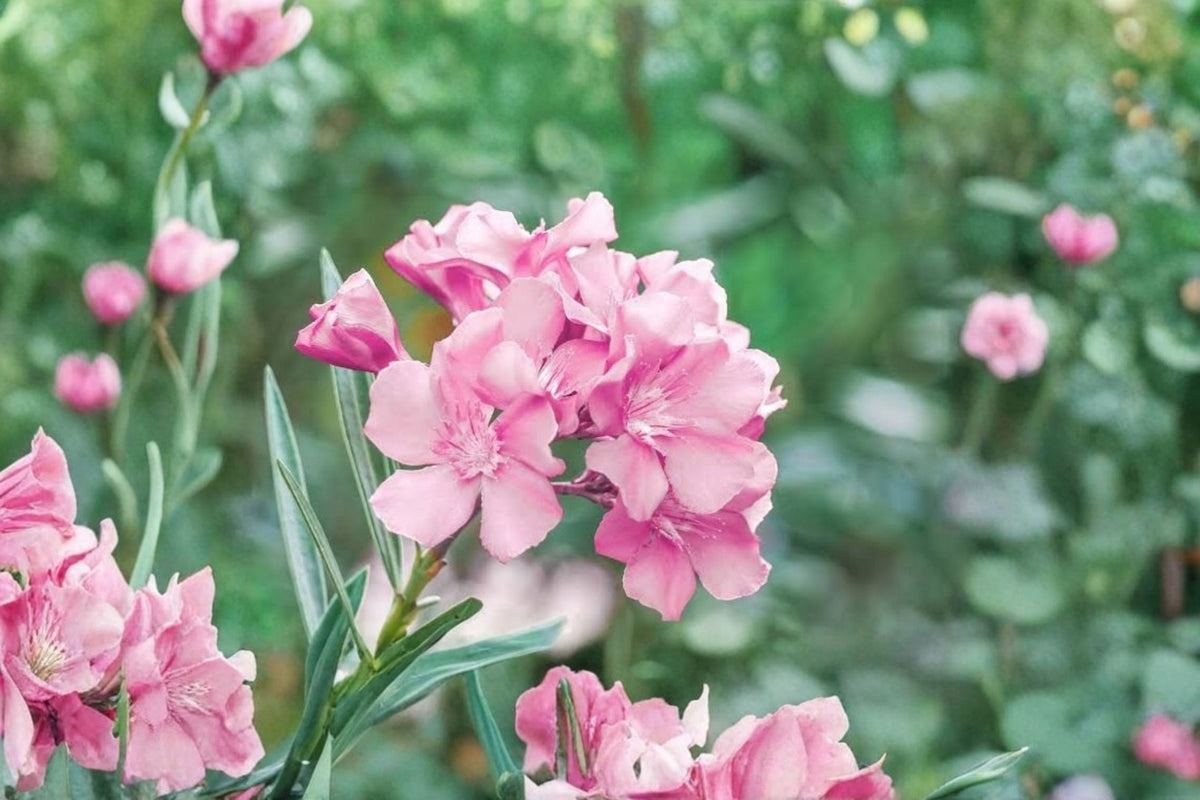
Pink Oleander Cuttings – 7 Unrooted 6-Inch Flowering Shrub Cuttings
Pink Oleander Cuttings – 7 Unrooted 6-Inch Flowering Shrub Cuttings

What you’ll receive
Growing details
Read product detailsCouldn't load pickup availability
Free U.S. shipping Processing: 3–7 business days · Transit: 5–15 weekdays
Free shipping within the United States. Orders are prepared in 3–7 business days. After dispatch, transit typically takes 5–15 weekdays. These are separate stages and estimates; weather and carrier delays can affect arrival.
Read shipping policyOrder issues & returns Report delivery issues within 48 hours
Report delivery issues within 48 hours with photos of the item, packaging, and label. Keep the item and packaging, and contact us before returning or refusing a parcel. Healthy, correctly supplied perishable items are generally final sale. See the refund policy for eligibility and exceptions.
Read refund policyGood to know
Product details
Review what is included, dimensions, and any care or usage instructions before ordering.
Back to buying optionsPink Oleander Cuttings – 7 Unrooted 6-Inch Flowering Shrub Cuttings
Add beautiful pink blooms and evergreen foliage to your landscape with these Pink Oleander (Nerium oleander) cuttings. Oleander is a popular ornamental shrub known for its attractive flowers, narrow green leaves, and ability to grow in warm climates. It can be used for landscape accents, decorative borders, and outdoor garden displays.
This listing includes 7 unrooted cuttings, approximately 6 inches long each, for gardeners interested in propagating their own flowering shrubs.
Product Features
-
Quantity: 7 cuttings
-
Length: Approximately 6 inches each
-
Common name: Pink Oleander
-
Botanical name: Nerium oleander
-
Flower color: Pink, as described by the seller
-
Plant type: Evergreen flowering shrub
-
Growth habit: Upright, bushy shrub
-
Garden uses: Ornamental landscapes, garden borders, and warm-climate gardens
-
Condition: Unrooted cuttings for propagation
Propagation Instructions
-
Handle carefully: Wear gloves when handling oleander because all parts of the plant contain toxic compounds.
-
Prepare the cuttings: Use clean, sharp pruning shears and avoid contact with the sap.
-
Prepare the medium: Use a clean, well-draining propagation mix.
-
Insert the stems: Place the lower portion of each cutting into the medium and gently firm the mix around it.
-
Maintain moisture: Keep the medium lightly moist but not waterlogged.
-
Provide suitable conditions: Place the cuttings in a warm location with bright, indirect light while they develop roots.
-
Monitor rooting: Rooting time varies with cutting maturity, temperature, humidity, and care.
Rooting success is not guaranteed. Wash your hands after handling and clean tools carefully.
Growing Care for Established Oleander
-
Sunlight: Full sun generally encourages better flowering.
-
Soil: Well-draining soil.
-
Watering: Water regularly while young; established plants can tolerate some dry conditions.
-
Climate: Best suited to warm climates; protect from frost where necessary.
-
Pruning: Prune carefully to maintain shape and remove damaged growth. Wear gloves and avoid burning plant material.
Important Safety Information
Oleander is highly toxic if swallowed. All parts of the plant, including leaves, flowers, stems, and sap, contain toxic compounds that can affect people and animals.
-
Keep cuttings and established plants away from children and pets.
-
Wear gloves and avoid contact with the sap.
-
Never use oleander for food, tea, or medicinal preparations.
-
Do not burn oleander trimmings or use them for cooking fuel.
Important Notes
-
This listing includes 7 unrooted cuttings, approximately 6 inches long each, not rooted plants.
-
Cuttings may vary slightly in thickness and appearance.
-
Rooting and survival are not guaranteed.
-
Flowering performance depends on growing conditions and plant maturity.