Plantingpartners
Penstemon 'Firebird' | Red Beardtongue | Hummingbird Flower | Long Blooming Perennial | Drought Tolerant Plant | 1 Gallon Live Plant
Penstemon 'Firebird' | Red Beardtongue | Hummingbird Flower | Long Blooming Perennial | Drought Tolerant Plant | 1 Gallon Live Plant
Couldn't load pickup availability
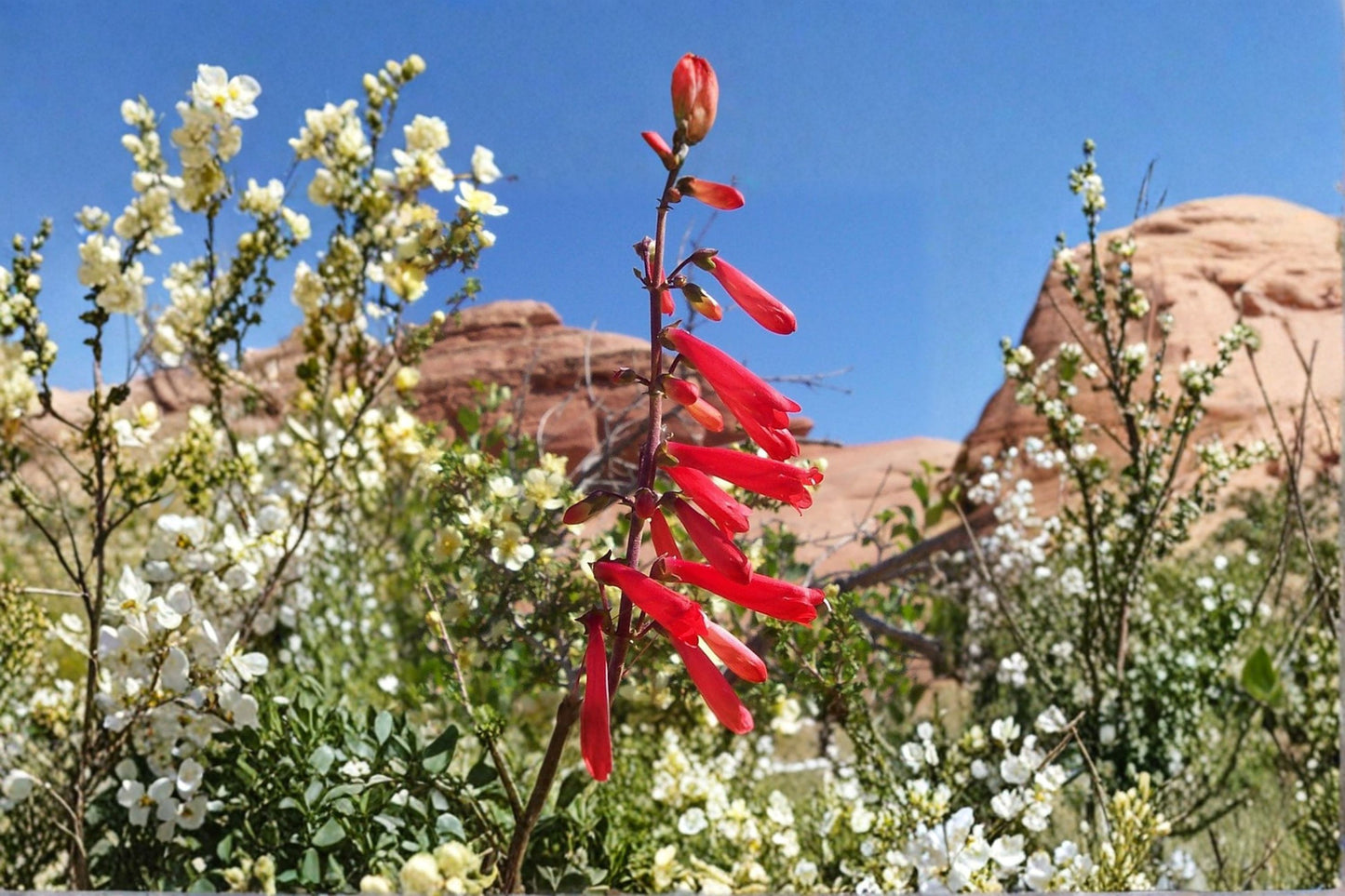
Bring vibrant color and pollinator activity to your garden with Penstemon 'Firebird', a striking semi-evergreen perennial prized for its brilliant crimson-red flowers and exceptionally long bloom season. This classic Beardtongue produces tall spikes of tubular blooms from mid-summer through fall, attracting hummingbirds, bees, and butterflies while thriving in sunny, well-drained gardens.
Its upright habit, dark green foliage, and wine-red stems make it an excellent choice for cottage gardens, pollinator borders, and drought-tolerant landscapes.
Key Features
- Botanical Name: Penstemon 'Firebird' (Penstemon 'Schoenholzeri')
- Common Name: Firebird Beardtongue
- Life Cycle: Semi-Evergreen Perennial
- Flower Color: Crimson Red with White Throats
- Foliage: Dark Green
- Plant Height: 24–36 inches
- Spread: 18–24 inches
- Bloom Season: Mid-Summer through Fall
- Growth Habit: Upright, Bushy Clump
- Light Requirements: Full Sun
- Water Needs: Low once established
- Hardiness Zones: 5–9
- Features: Pollinator-Friendly, Drought Tolerant, Deer Resistant, Long Blooming
Garden Uses
✔ Pollinator and Hummingbird Gardens
✔ Cottage Gardens and Mixed Borders
✔ Drought-Tolerant Landscapes
✔ Container Plantings
✔ Prairie and Naturalistic Gardens
✔ Cut Flower Gardens
Planting Partners
Pair with:
- Echinacea – Long-lasting blooms and pollinator appeal
- Salvia – Contrasting flower spikes and color
- Coreopsis – Bright yellow flowers complement red blooms
- Russian Sage – Soft lavender-blue contrast
- Lavender – Fragrant foliage and drought tolerance
Care Tips
- Plant in full sun for the best flowering.
- Prefers well-drained sandy or loamy soil.
- Water regularly during establishment; drought tolerant afterward.
- Deadhead spent blooms to encourage additional flowering.
- Cut back stems in early spring to encourage vigorous new growth.
- Avoid overly wet winter soils.
Share