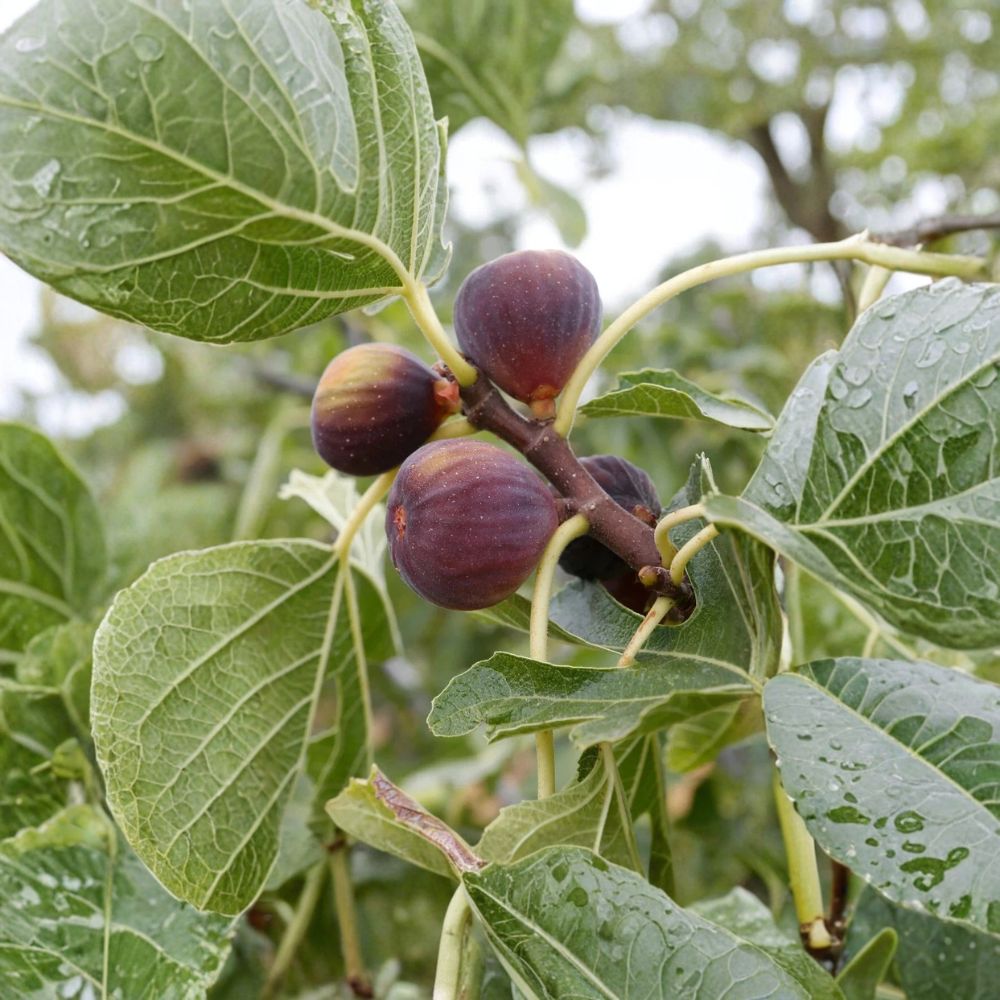
Olympian Fig Tree – Ficus carica 'Olympian' Live Rooted Cutting | 4+ Inches Tall | Bare Root Starter Plant | Cold Hardy Fruit Tree | Easy to Grow
Olympian Fig Tree – Ficus carica 'Olympian' Live Rooted Cutting | 4+ Inches Tall | Bare Root Starter Plant | Cold Hardy Fruit Tree | Easy to Grow
Couldn't load pickup availability
Grow your own delicious homegrown figs with this Olympian Fig Tree (Ficus carica 'Olympian'), a healthy rooted cutting measuring approximately 4+ inches tall. Originally discovered in Olympia, Washington, this award-winning variety is prized for its exceptional cold hardiness, early fruit production, and large purple figs with sweet, richly flavored dark pulp. Olympian performs especially well in cooler and coastal climates, making it an outstanding choice for home orchards, patios, and container gardens. Your plant is freshly dug before shipping to help ensure maximum freshness and successful establishment.
You will receive:
✔️ 1 live Olympian Fig rooted cutting
✔️ Height: approximately 4+ inches tall
✔️ Freshly dug bare-root plant with protected roots
✔️ Healthy, well-rooted starter plant
✔️ Secure packaging for safe arrival
🌼 Growing Information
Common Name: Olympian Fig
Botanical Name: Ficus carica 'Olympian'
Plant Type: Deciduous fruit tree
Growth Stage: Rooted cutting / starter plant
Sun Requirements: Full sun (6–8 hours daily preferred)
Soil: Well-draining, fertile soil rich in organic matter
Watering: Moderate; keep evenly moist while establishing, then water when the soil begins to dry
Mature Height: 8–12 feet (smaller when container grown and pruned)
Growth Rate: Moderate to fast
USDA Zones: 6–10 (with winter protection recommended for young plants in colder regions)
Container Friendly: Yes
💡 Care Tip: Plant your rooted cutting as soon as possible after arrival in well-draining soil. Water thoroughly after planting and keep the soil consistently moist during establishment. Some leaf drop after transplanting is normal, and applying mulch around young trees can provide added winter protection in colder climates.
Share