Nannyberry Viburnum Live Plant – 24+ Inches Tall | Viburnum lentago | Native Flowering Shrub or Small Tree | Wildlife & Bird Garden Plant
Nannyberry Viburnum Live Plant – 24+ Inches Tall | Viburnum lentago | Native Flowering Shrub or Small Tree | Wildlife & Bird Garden Plant
Couldn't load pickup availability
Add four-season interest and wildlife value to your landscape with this live Nannyberry Viburnum. Botanically known as Viburnum lentago, this adaptable North American native can be grown as a large shrub or trained into a small multi-stemmed tree.
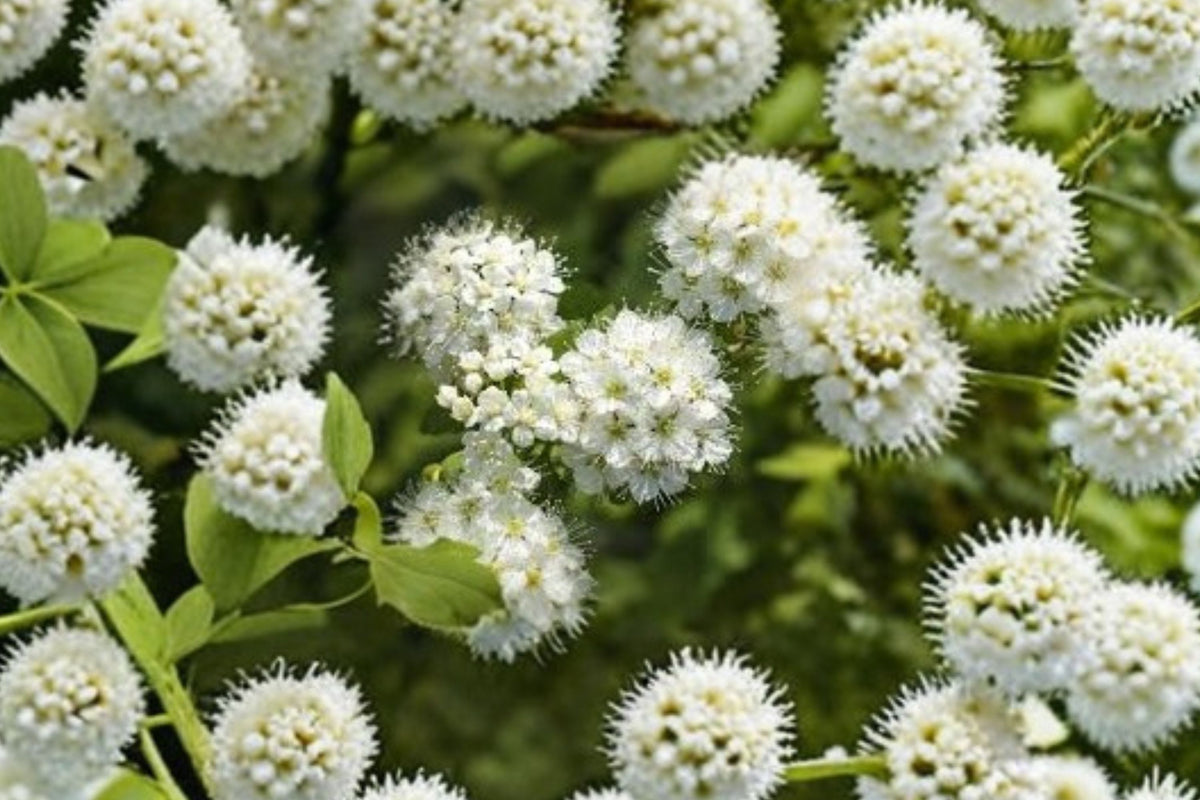
In spring, established plants produce clusters of creamy-white flowers that attract visiting pollinators. These are followed by berry-like fruits that mature from pinkish tones to blue-black and provide food for birds and other wildlife. In autumn, the foliage can develop attractive yellow, orange, red, and reddish-purple coloration.
Your Nannyberry plant measures approximately 24 inches or taller and is freshly dug for shipment. The roots are wrapped with some soil and moist material to help protect them during transit. Plants shipped during fall or winter may be entering dormancy and can arrive with yellowing foliage, partial leaf loss, or no leaves.
You will receive:
✔️ 1 live Nannyberry Viburnum plant
✔️ Height: approximately 24 inches or taller
✔️ Botanical name: Viburnum lentago
✔️ Freshly dug plant with protected roots
✔️ Native flowering and wildlife-friendly shrub
✔️ Secure packaging for safe arrival
🌼 Growing Information
Common Name: Nannyberry Viburnum, Nannyberry
Botanical Name: Viburnum lentago
Plant Type: Deciduous flowering shrub / small tree
Growth Stage: Established young live plant
Sun Requirements: Full sun to partial shade
Soil: Adaptable; prefers moist, fertile, well-draining soil
Watering: Moderate; maintain consistent moisture while establishing
Mature Height: Approximately 12–20 feet, occasionally taller under favorable conditions
Growth Rate: Moderate
USDA Zones: Approximately 2–8
Container Friendly: Possible while young; best suited to landscape planting at maturity
💡 Care Tip: Plant promptly after arrival and water deeply to settle soil around the roots. Keep the root zone consistently moist during the establishment period without leaving it waterlogged. Adding a layer of mulch around the root zone can help conserve moisture and moderate soil temperature, but keep mulch away from direct contact with the trunk or stems.
Share