Munchkin Fire Hosta Live Plants – Set of 2 | 6+ Inch Shade Garden Perennials
Munchkin Fire Hosta Live Plants – Set of 2 | 6+ Inch Shade Garden Perennials
Couldn't load pickup availability
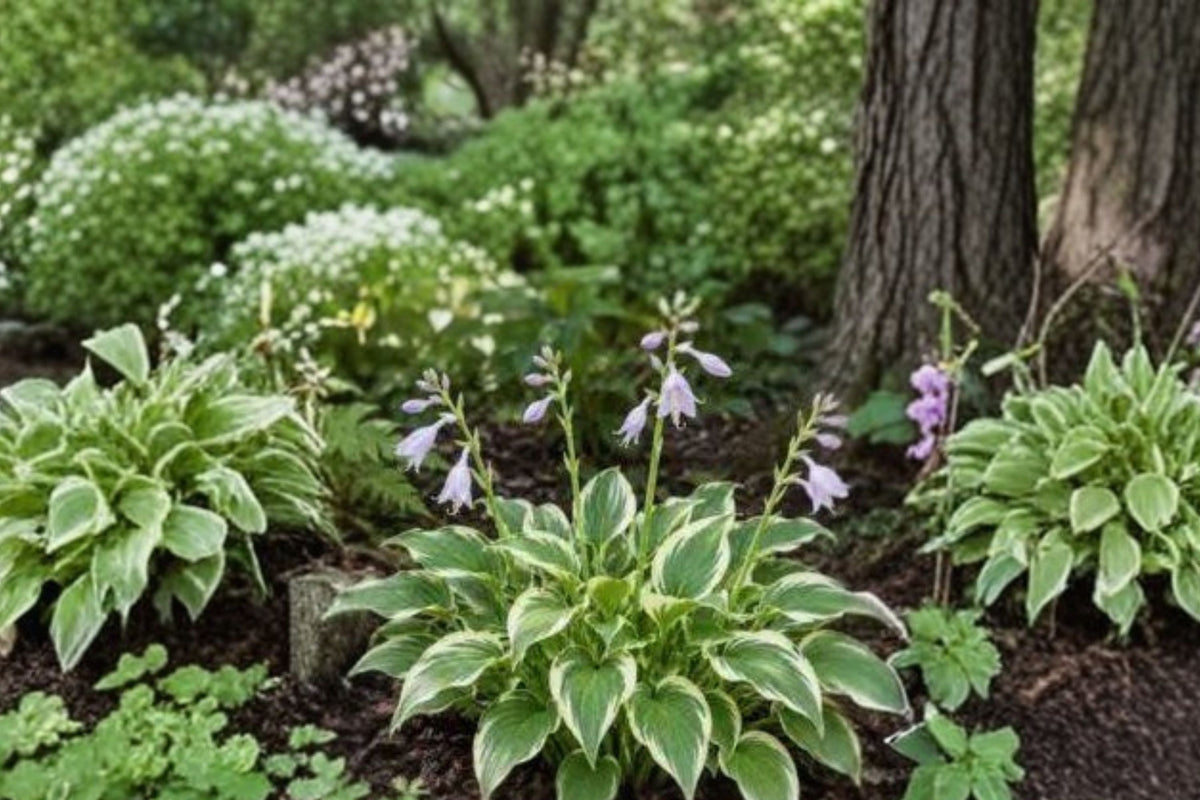
Add lush foliage and dependable perennial beauty to your garden with this set of two live Munchkin Fire Hosta plants. This attractive Hosta variety is valued for its ornamental foliage and compact growth, making it a lovely choice for shaded borders, woodland gardens, pathways, containers, and perennial beds. You will receive two healthy live plants measuring approximately 6 inches or larger. Plants are freshly dug or removed from their growing pots before shipping, with some soil retained around the roots and wrapped with moist material to help protect the root system during transit.
You will receive:
✔️ 2 live Munchkin Fire Hosta plants
✔️ Approximately 6+ inches in plant size
✔️ Healthy plants with established roots
✔️ Shipped unpotted with some soil around the roots
✔️ Secure packaging for safe arrival
🌼 Growing Information
Common Name: Munchkin Fire Hosta
Botanical Name: Hosta ‘Munchkin Fire’
Plant Type: Herbaceous perennial
Growth Stage: Established live plant
Sun Requirements: Partial shade to shade
Soil: Rich, fertile, moisture-retentive, well-draining soil
Watering: Moderate; keep consistently moist without waterlogging
Mature Height: Approximately 12–18 inches
Growth Habit: Compact, clump-forming
Foliage: Ornamental foliage with bright yellow to chartreuse tones
Flowering: Produces flower stalks when mature
Seasonal Habit: Deciduous perennial; foliage dies back during winter dormancy
Garden Use: Shade gardens, woodland gardens, borders, pathways, and perennial beds
USDA Zones: 3–9
Container Friendly: Yes
💡 Care Tip: Plant your Munchkin Fire Hostas promptly after arrival in rich, well-draining soil and water thoroughly to settle the roots. Keep the soil consistently moist while the plants establish, but avoid saturated conditions. Partial shade is ideal, especially with protection from intense afternoon sunlight. Hostas naturally enter dormancy in colder seasons, so reduced or absent foliage during dormancy does not necessarily indicate an unhealthy root system.
Share