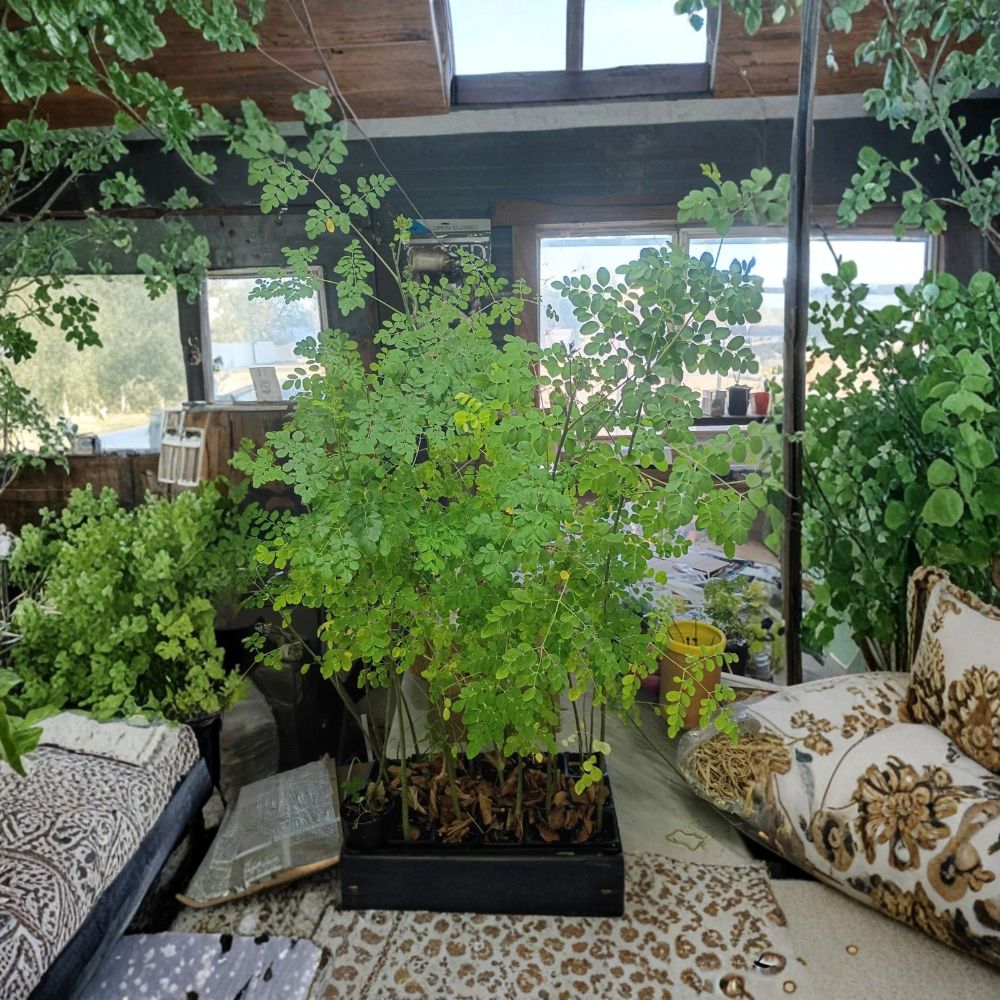
Moringa Tree – Moringa oleifera Live Plant | Approximately 4 Feet Tall | Established Drumstick Tree | Tropical Edible Tree | Full Sun | Container & Garden Friendly
Moringa Tree – Moringa oleifera Live Plant | Approximately 4 Feet Tall | Established Drumstick Tree | Tropical Edible Tree | Full Sun | Container & Garden Friendly
Couldn't load pickup availability
Get a great head start on growing your own Moringa with this established live Moringa Tree (Moringa oleifera), approximately 4 feet tall. Also known as the Drumstick Tree, Moringa is a fast-growing tropical tree recognized for its distinctive foliage and many traditional uses.
This well-established plant can be grown directly in the ground in suitable warm climates or kept in a container. With plenty of sunlight, well-draining soil, and proper watering, your Moringa tree can continue developing into a productive tropical plant. Each live tree has its own natural shape, branching pattern, and amount of foliage, so appearance may vary from the photos.
You will receive:
✔️ 1 live Moringa Tree
✔️ Height: approximately 4 feet
✔️ Established Moringa oleifera plant
✔️ Fast-growing tropical tree
✔️ Suitable for containers or outdoor planting
✔️ Carefully packaged for safe arrival
🌼 Growing Information
Common Name: Moringa Tree
Botanical Name: Moringa oleifera
Other Name: Drumstick Tree
Plant Type: Fast-growing tropical tree
Growth Stage: Established live plant
Sun Requirements: Full sun
Soil: Well-draining soil
Watering: Regular watering while establishing; avoid waterlogged soil
Growth Rate: Fast
Temperature: Prefers warm, frost-free conditions
Container Friendly: Yes
Best For: Tropical gardens, edible landscapes, patios, containers, and home gardens
💡 Care Tip: After arrival, give your Moringa plenty of bright sunlight and allow it to acclimate before making major changes to its growing environment. Plant in well-draining soil and water regularly while it establishes, but avoid keeping the roots constantly wet. Minor leaf loss or changes in foliage after shipping are normal for live plants and should improve with proper care.
Share