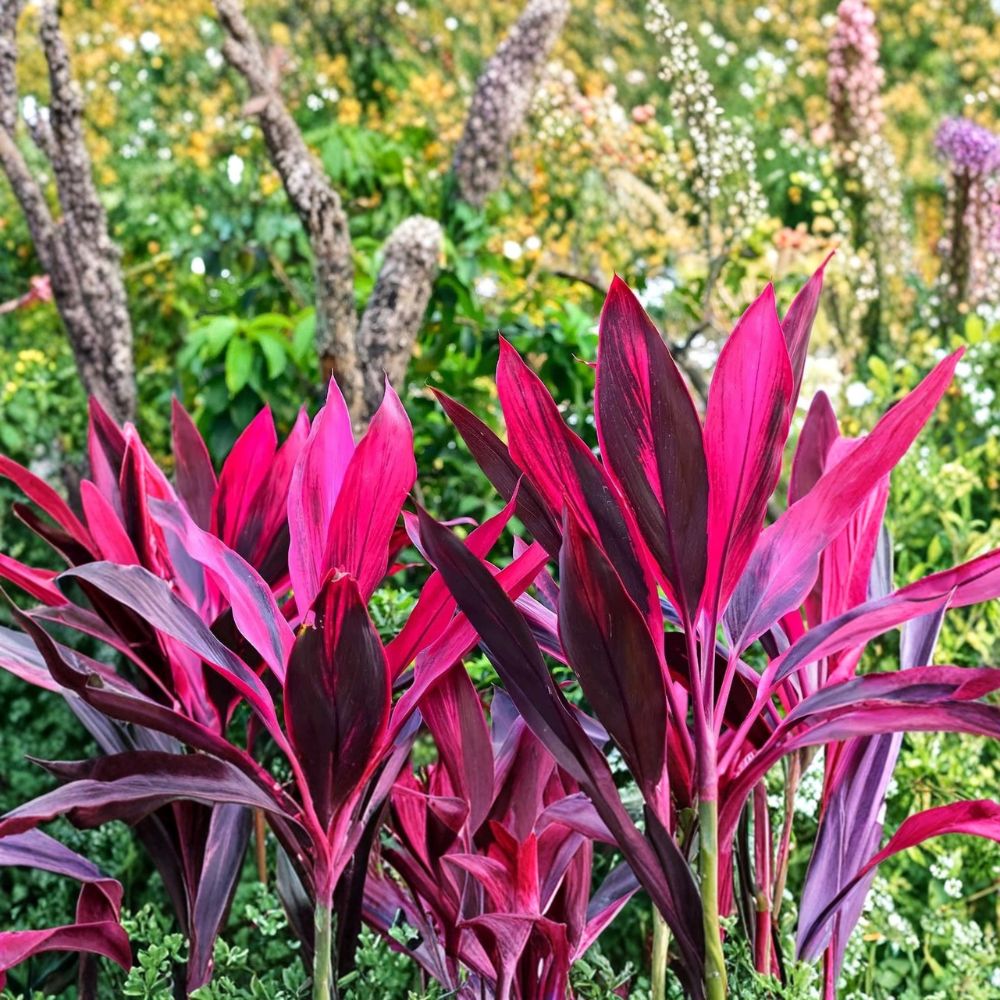
Deep Pink & Black Hawaiian Ti Plant – Cordyline fruticosa Live Cuttings | 2 Unrooted Cuttings 4–6 Inches | Rooting Hormone Treated | Tropical Ornamental Plant | Easy to Propagate
Deep Pink & Black Hawaiian Ti Plant – Cordyline fruticosa Live Cuttings | 2 Unrooted Cuttings 4–6 Inches | Rooting Hormone Treated | Tropical Ornamental Plant | Easy to Propagate
Couldn't load pickup availability
Add bold tropical color to your home or garden with these Deep Pink & Black Hawaiian Ti Plant cuttings. Featuring dramatic foliage in rich deep pink and deep burgundy to nearly black tones, this striking ornamental plant creates a vibrant focal point in landscapes, patios, or decorative containers. You will receive two fresh unrooted cuttings measuring approximately 4 to 6 inches long, treated with rooting hormone to encourage successful propagation. Easy-to-follow planting instructions are included, making these cuttings a great choice for both beginner and experienced gardeners.
You will receive:
✔️ 2 live Hawaiian Ti Plant cuttings
✔️ Length: approximately 4–6 inches each
✔️ Unrooted cuttings treated with rooting hormone
✔️ Planting instructions included
✔️ Secure packaging for safe arrival
🌼 Growing Information
Common Name: Hawaiian Ti Plant
Botanical Name: Cordyline fruticosa
Plant Type: Tropical evergreen ornamental plant
Growth Stage: Fresh unrooted cuttings for propagation
Sun Requirements: Bright light to partial sun
Soil: Well-draining, nutrient-rich potting mix
Watering: Keep soil lightly moist while rooting; avoid overwatering
Mature Height: 3–10 feet depending on growing conditions
Growth Rate: Moderate to fast in warm climates
USDA Zones: 10–12 (grow in containers indoors in cooler climates)
Container Friendly: Yes
💡 Care Tip: Plant the cuttings in moist, well-draining soil and place them in a warm location with bright indirect light. Maintain consistent moisture while roots develop, but avoid soggy soil. New growth is a good indicator that rooting has begun.
Share