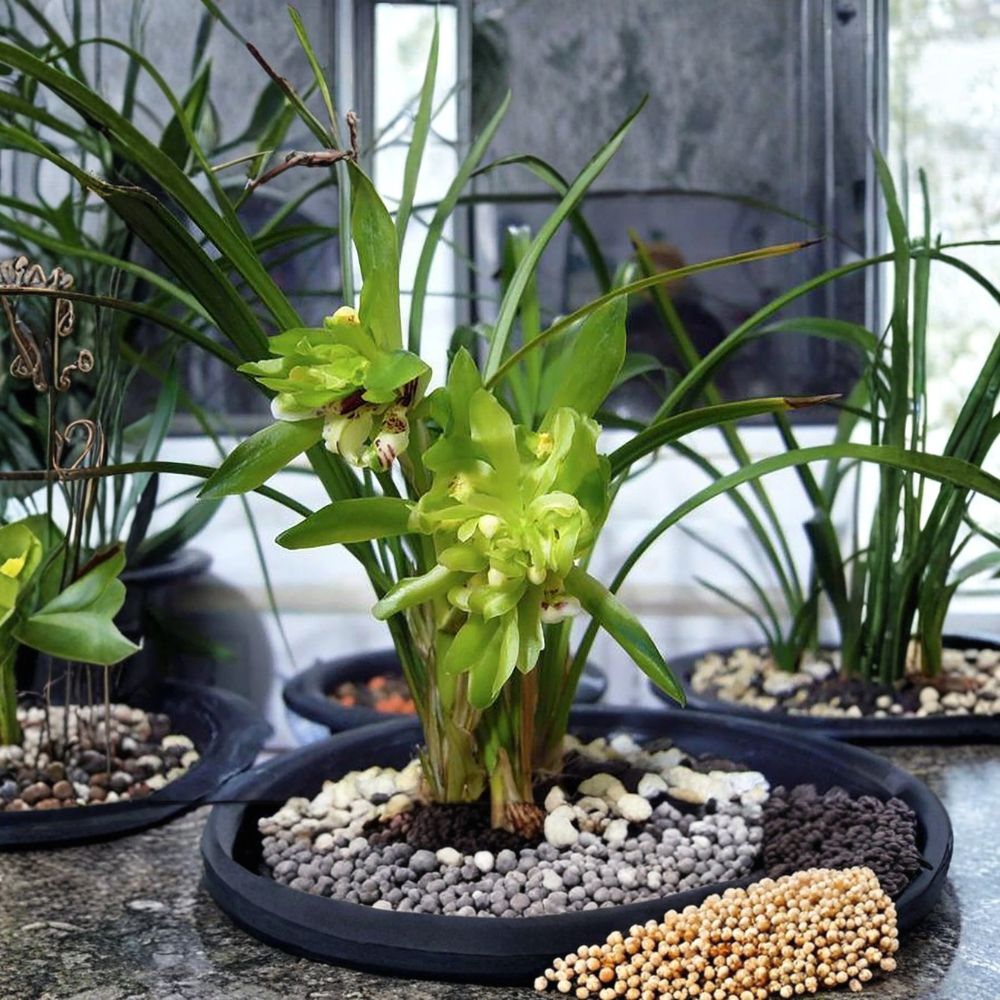
Cymbidium goeringii 'Green Butterfly' – 春兰余蝴蝶 Live Bare Root Orchid | Bloom Size | 4+ Pseudobulbs | Fragrant Chinese Orchid | Rare Collectible
Cymbidium goeringii 'Green Butterfly' – 春兰余蝴蝶 Live Bare Root Orchid | Bloom Size | 4+ Pseudobulbs | Fragrant Chinese Orchid | Rare Collectible
Couldn't load pickup availability
Add an exceptional orchid to your collection with Cymbidium goeringii 'Green Butterfly' (春兰余蝴蝶), a rare and highly prized Chinese orchid admired for its unique spring blooms and wonderful fragrance. This bloom-size plant features 4 or more mature pseudobulbs, abundant healthy roots, and vigorous new growth, making it well established and ready to thrive in the right growing conditions.
Originating from Zhejiang, China, this rare Cymbidium is treasured by orchid enthusiasts for its elegant flowers, compact growth habit, and intensely fragrant blooms. Plants are approximately 12 inches tall, around 2 years old, and are shipped bare root for safe transit. Photos shown are of the actual type of plant you will receive.
You will receive:
✔️ 1 live Cymbidium goeringii 'Green Butterfly' orchid
✔️ Bloom-size plant with 4+ pseudobulbs
✔️ Approximately 12 inches tall
✔️ Healthy bare root plant with strong roots and new growth
✔️ Secure packaging for safe arrival
🌼 Growing Information
Common Name: Green Butterfly Chinese Orchid
Botanical Name: Cymbidium goeringii 'Green Butterfly' (春兰余蝴蝶)
Plant Type: Evergreen terrestrial orchid
Growth Stage: Bloom-size mature plant (4+ pseudobulbs)
Sun Requirements: Bright indirect light to partial shade
Soil: Well-draining orchid mix suitable for Cymbidiums
Watering: Keep evenly moist during active growth; reduce watering slightly during cooler months
Mature Height: Approximately 12–18 inches
Growth Rate: Moderate
USDA Zones: 9–11 (grow indoors or in containers in cooler climates)
Container Friendly: Yes
💡 Care Tip: Pot the orchid soon after arrival using a well-draining Cymbidium orchid mix. Provide bright, indirect light with good air circulation and cooler nighttime temperatures during autumn to encourage abundant spring flowering.
Share