tans treasures online nursery
Crimson Snow Nectarine Tree – Prunus persica var. nucipersica Live Fruit Tree | 4–6 Feet Tall | Sweet White Flesh Nectarines | Self-Fertile | Easy to Grow
Crimson Snow Nectarine Tree – Prunus persica var. nucipersica Live Fruit Tree | 4–6 Feet Tall | Sweet White Flesh Nectarines | Self-Fertile | Easy to Grow
Couldn't load pickup availability
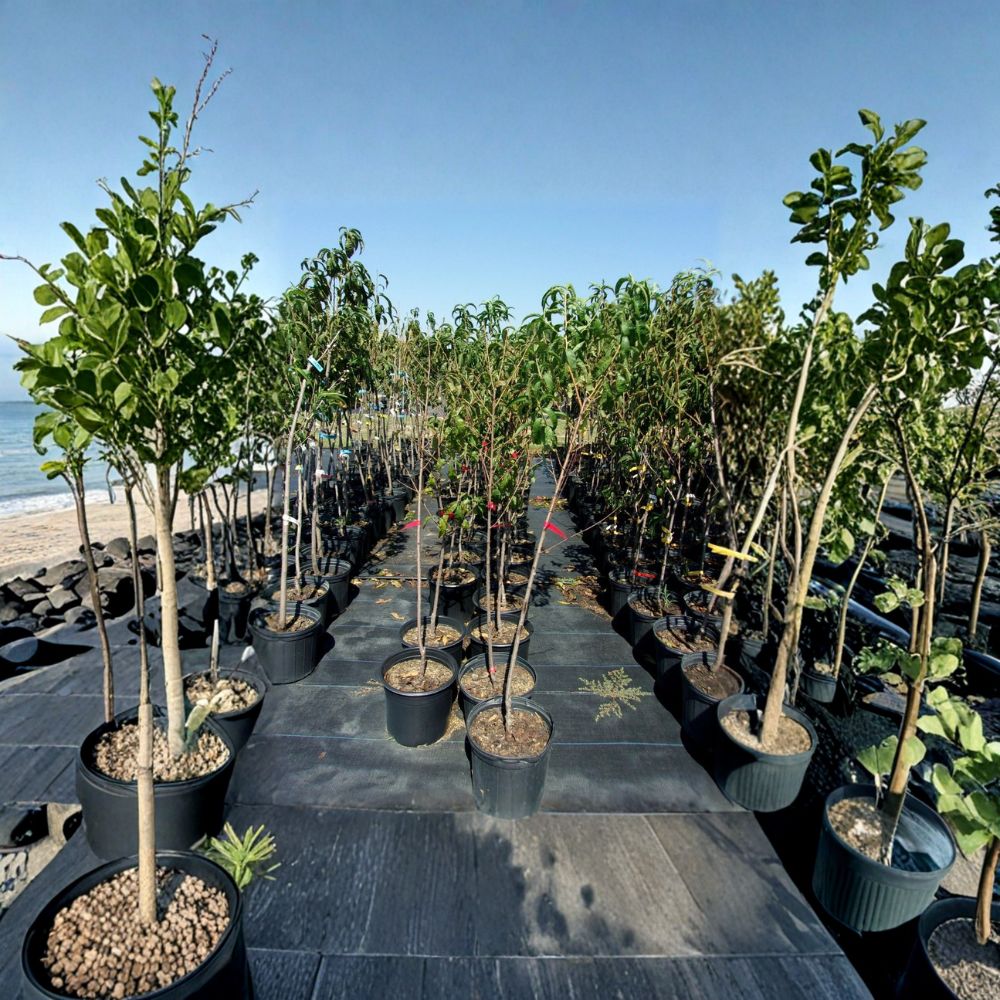
Enjoy delicious homegrown fruit with this Crimson Snow Nectarine Tree, a highly productive variety known for its large glossy red nectarines, juicy white freestone flesh, and exceptional sweet flavor. This healthy live tree arrives approximately 4–6 feet tall and is ready to become a beautiful and productive addition to your backyard orchard or home garden.
A favorite among fruit growers, Crimson Snow produces attractive white to pinkish-white blossoms in early spring followed by abundant harvests of flavorful nectarines. The fruit is perfect for fresh eating, desserts, preserves, and healthy snacking. Self-fertile and easy to grow, this variety rewards gardeners with reliable production and outstanding fruit quality.
You will receive:
✔️ 1 live Crimson Snow Nectarine Tree
✔️ Height: approximately 4–6 feet tall
✔️ Healthy, established root system
✔️ Self-fertile fruit tree
✔️ Secure packaging for safe arrival
🌼 Growing Information
Common Name: Crimson Snow Nectarine
Botanical Name: Prunus persica var. nucipersica 'Crimson Snow'
Plant Type: Deciduous fruit tree
Growth Stage: Young tree
Sun Requirements: Full sun (6–8+ hours daily)
Soil: Moist, well-draining fertile soil
Watering: Moderate; keep consistently moist during establishment
Mature Height: 15 feet (or maintained smaller through pruning)
Growth Rate: Moderate to fast
USDA Zones: 8–11
Container Friendly: Yes, with regular pruning and large containers
💡 Care Tip: Plant in a sunny location and provide well-draining soil for optimal growth. Fertilize in early spring before new growth begins and prune annually to maintain shape, improve airflow, and encourage larger fruit harvests.
Share