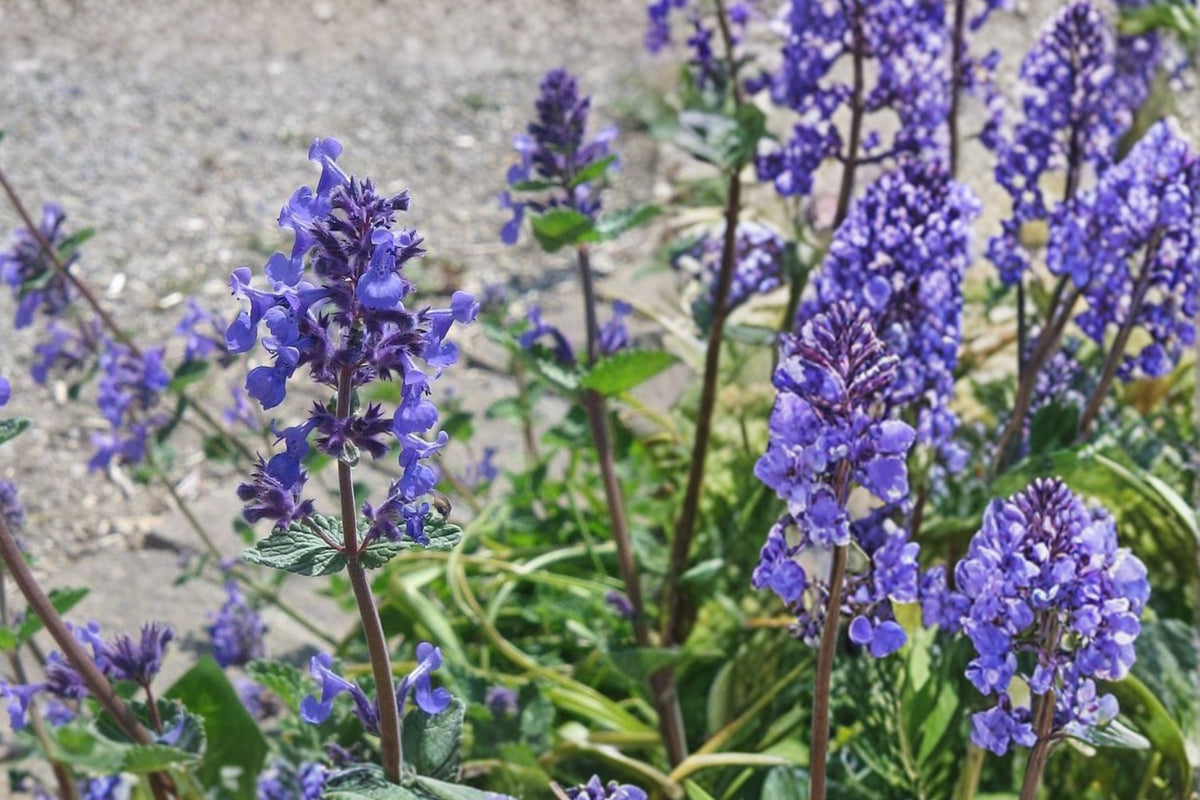
Catmint Live Plant – 3 Inch Pot | Nepeta Fragrant Flowering Perennial | Purple Blue Flowers | Pollinator Garden Herbaceous Plant
Catmint Live Plant – 3 Inch Pot | Nepeta Fragrant Flowering Perennial | Purple Blue Flowers | Pollinator Garden Herbaceous Plant
Couldn't load pickup availability
Add soft color, fragrance, and pollinator-friendly beauty to your garden with this live Catmint plant. Known botanically as Nepeta, Catmint is a popular herbaceous perennial valued for its aromatic gray-green foliage and abundant spikes of blue to lavender-purple flowers.
Catmint works beautifully along borders, pathways, cottage gardens, rock gardens, and mixed perennial beds. Once established, many varieties are relatively drought tolerant and bloom generously in sunny locations, attracting bees and other beneficial pollinators.
Your young Catmint arrives healthy and rooted in a 3-inch nursery pot, ready for continued growth. Plant size, fullness, and flowering stage will naturally vary depending on season and growing conditions.
You will receive:
✔️ 1 live Catmint plant
✔️ Shipped established in a 3-inch nursery pot
✔️ Fragrant aromatic foliage
✔️ Blue to lavender-purple flowers when mature
✔️ Pollinator-friendly herbaceous perennial
✔️ Secure packaging for safe arrival
🌼 Growing Information
Common Name: Catmint
Botanical Name: Nepeta spp.
Plant Type: Herbaceous flowering perennial
Growth Stage: Young rooted plant
Sun Requirements: Full sun preferred; tolerates partial shade
Soil: Well-draining, average to moderately fertile soil
Watering: Moderate during establishment; relatively drought tolerant once established
Mature Height: Approximately 12–36 inches depending on variety
Growth Rate: Moderate to fast under favorable conditions
USDA Zones: Approximately 3–9 depending on species and cultivar
Container Friendly: Yes
💡 Care Tip: Plant Catmint in a sunny location with well-draining soil and water regularly while the roots become established. Once established, avoid consistently soggy soil. Trimming or lightly shearing the plant after its first major flowering period can encourage tidy new growth and additional blooms.
Share