Blue Bird Lacecap Hydrangea – Hydrangea serrata 'Blue Bird' Live Plant | 1 Quart Grow Bag | Deciduous Flowering Shrub | Easy to Grow
Blue Bird Lacecap Hydrangea – Hydrangea serrata 'Blue Bird' Live Plant | 1 Quart Grow Bag | Deciduous Flowering Shrub | Easy to Grow
Couldn't load pickup availability
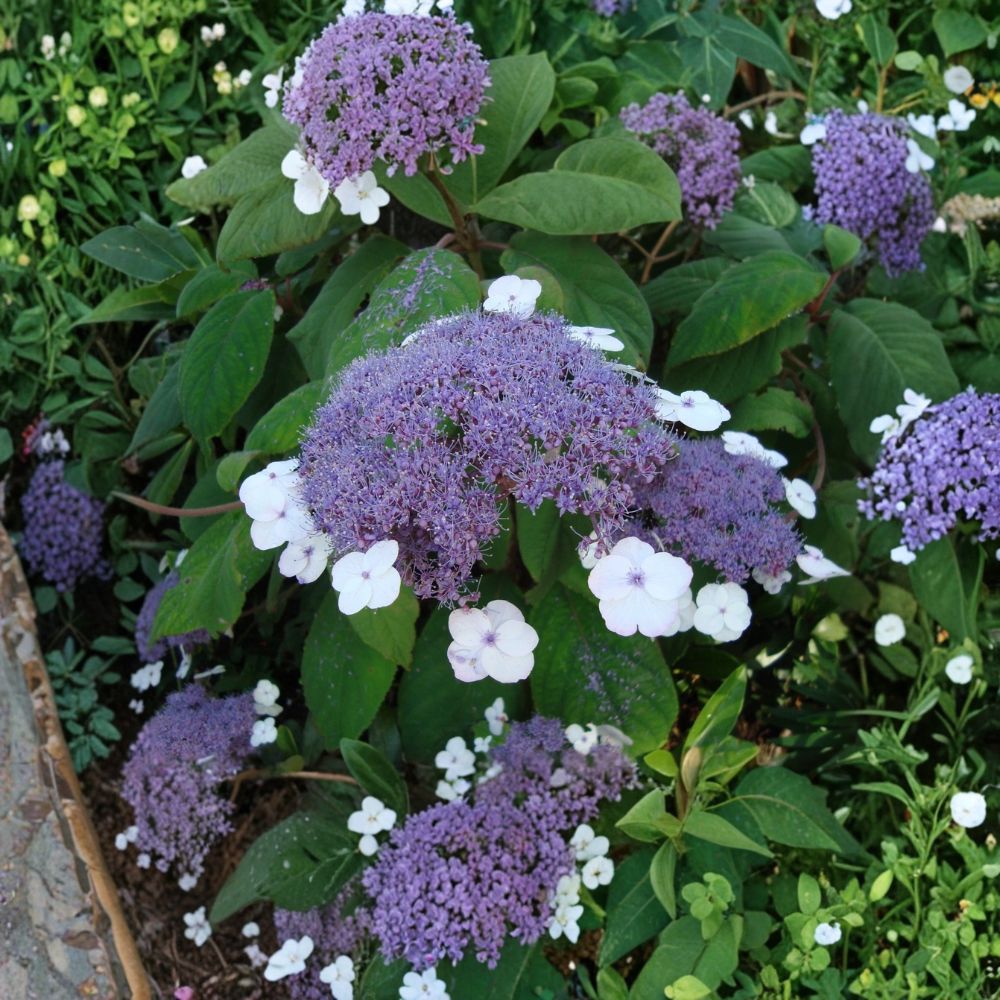
Add elegant color to your landscape with this live Blue Bird Lacecap Hydrangea (Hydrangea serrata 'Blue Bird'). This healthy young shrub is grown in a 1-quart nursery container and ships in a breathable fabric grow bag rather than a plastic pot. Admired for its stunning lacecap blooms, this variety produces a ring of beautiful sea-blue sterile florets surrounding clusters of rich blue fertile flowers in early summer. Flower color is most vibrant in acidic soils. Its attractive green foliage develops rich reddish tones in fall, providing multi-season interest in borders, woodland gardens, and containers.
Please note that orders shipping to California, Oregon, Washington, Arizona, Utah, Idaho, Nevada, Montana, North Dakota, and South Dakota will be shipped bare root inside the grow bag to comply with shipping requirements. Plants ordered from November through March may arrive dormant, and flowering at the time of purchase cannot be guaranteed.
You will receive:
✔️ 1 live Blue Bird Lacecap Hydrangea plant
✔️ Grown in a 1-quart container
✔️ Shipped in a fabric grow bag (no plastic pot)
✔️ Healthy, rooted plant
✔️ Secure packaging for safe arrival
🌼 Growing Information
Common Name: Blue Bird Lacecap Hydrangea
Botanical Name: Hydrangea serrata 'Blue Bird'
Plant Type: Deciduous flowering shrub
Growth Stage: Young live plant
Sun Requirements: Partial shade to filtered sun
Soil: Rich, well-draining, acidic soil for the bluest flowers
Watering: Moderate; keep soil evenly moist but not soggy
Mature Height: 4–6 feet
Growth Rate: Moderate
USDA Zones: 5–9
Container Friendly: Yes
💡 Care Tip: Plant in partial shade with consistently moist, well-draining soil. Maintain acidic soil conditions to encourage the richest blue flower color. Plants may arrive dormant during late fall and winter, which is a normal part of their seasonal growth cycle.
Share