Big Mouth Venus Flytrap Live Plant ~ Dionaea muscipula 'Big Mouth' ~ Extra-Wide Traps ~ 2.5-Inch Pot
Big Mouth Venus Flytrap Live Plant ~ Dionaea muscipula 'Big Mouth' ~ Extra-Wide Traps ~ 2.5-Inch Pot

In stock
What you’ll receive
Growing details
Read product detailsCouldn't load pickup availability
Free U.S. shipping Processing: 3–7 business days · Transit: 5–15 weekdays
Free shipping within the United States. Orders are prepared in 3–7 business days. After dispatch, transit typically takes 5–15 weekdays. These are separate stages and estimates; weather and carrier delays can affect arrival.
Read shipping policyOrder issues & returns Report delivery issues within 48 hours
Report delivery issues within 48 hours with photos of the item, packaging, and label. Keep the item and packaging, and contact us before returning or refusing a parcel. Healthy, correctly supplied perishable items are generally final sale. See the refund policy for eligibility and exceptions.
Read refund policyGood to know
Product details
Review what is included, dimensions, and any care or usage instructions before ordering.
Back to buying optionsBig Mouth Venus Flytrap Live Plant ~ Dionaea muscipula 'Big Mouth' ~ Extra-Wide Traps ~ 2.5-Inch Pot
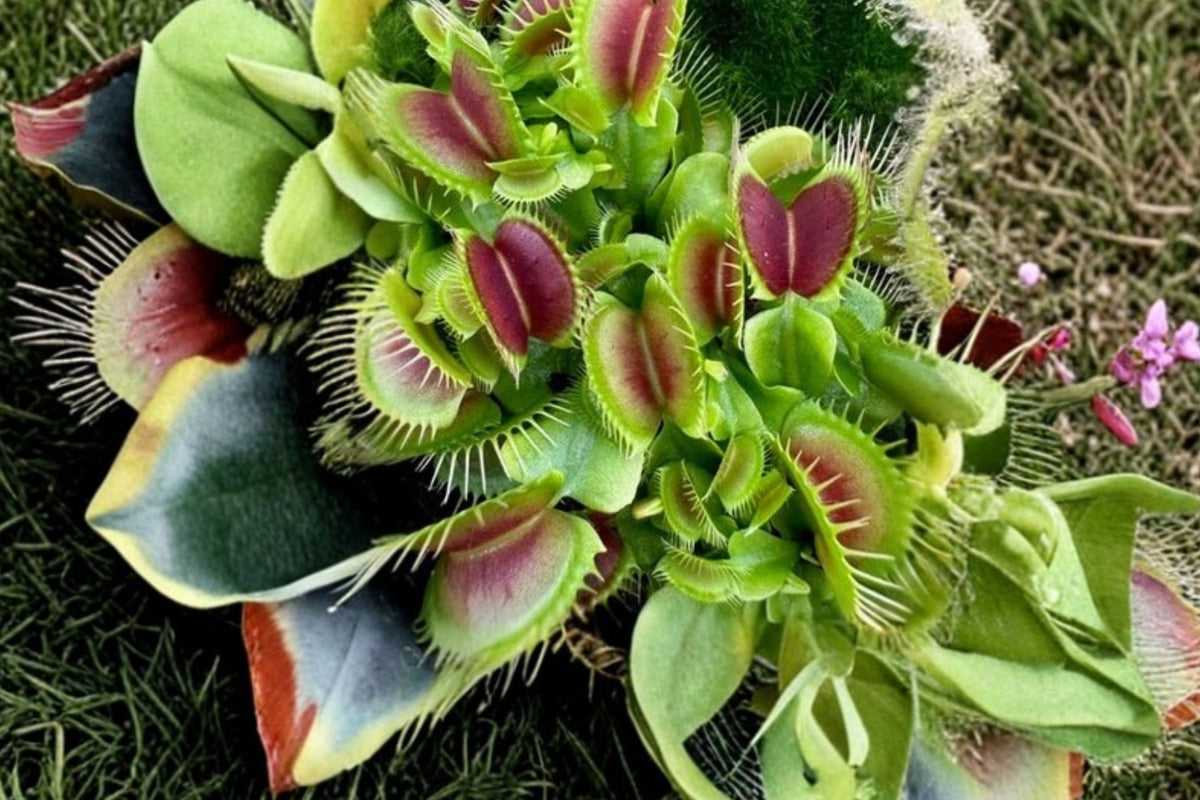
Add a striking carnivorous plant to your collection with the Big Mouth Venus Flytrap (Dionaea muscipula 'Big Mouth'). This popular cultivar is known for its extra-wide traps, bold coloration, and compact growth habit. Under strong light, its traps can develop deep red interiors contrasting beautifully with bright green leaves. Its distinctive appearance makes it a great choice for plant collectors and beginners interested in carnivorous plants. Each plant is shipped in a 2.5-inch pot and carefully packed to help protect its delicate traps during transit. Trap size, coloration, and growth stage may vary naturally.
You will receive:
☑️ 1 live Big Mouth Venus Flytrap
☑️ Shipped in a 2.5-inch pot
☑️ A juvenile or young adult plant, depending on availability
☑️ Carefully packaged to help protect the traps during shipping
☑️ Natural variations in trap size, color, and growth stage
🌼 Growing Information
☀️ Sunlight: Full outdoor sun or strong LED grow lights indoors
💧 Water: Use distilled water, rainwater, or reverse osmosis (RO) water
🌱 Soil: Nutrient-poor carnivorous plant mix, such as peat and perlite
🌡️ Climate: Temperate conditions with seasonal changes
📏 Growth Habit: Compact rosette with upright traps
🎨 Trap Color: Green leaves with red interiors under strong light
🪰 Feeding: Can catch small insects naturally; avoid unnecessary feeding
❄️ Dormancy: Requires winter dormancy for long-term health
🏡 Uses: Carnivorous plant collections, sunny outdoor spaces, and indoor grow-light setups
🌿 Hardiness: Commonly grown outdoors in suitable climates, including USDA Zones 7–10
💡 Care Tip
Provide plenty of direct sunlight and use only mineral-free water. Avoid regular potting soil and fertilizers, as they can damage the roots. Allow the plant to experience its natural winter dormancy, and avoid repeatedly triggering its traps because closing uses energy.