American Persimmon Tree – Diospyros virginiana Live Plant | 2–3+ Feet Tall | Native Fruit Tree | Bare Root | USDA Zones 5–9
American Persimmon Tree – Diospyros virginiana Live Plant | 2–3+ Feet Tall | Native Fruit Tree | Bare Root | USDA Zones 5–9
Couldn't load pickup availability
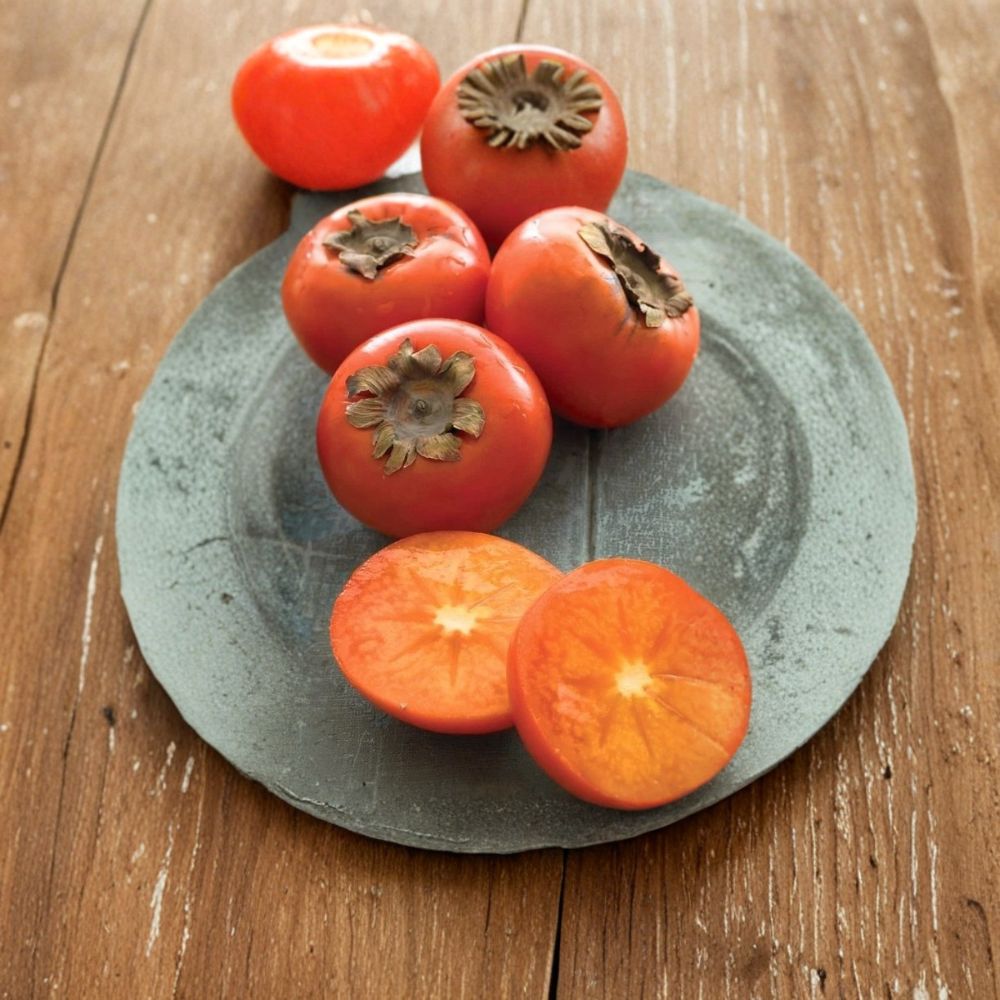
Bring a beautiful native fruit tree to your garden with this American Persimmon (Diospyros virginiana) live plant. The current plants are approximately 2–3+ feet tall and are shipped bare root. During winter, the trees are shipped dormant without leaves, and a top trim may be necessary to fit the shipping box. American persimmon is valued for its distinctive dark, corrugated bark, attractive orange-red fall foliage, and flavorful fruit that develops a rich, sweet taste when fully ripe. The trees are male or female, but young plants are too immature to determine their sex, so a specific male or female tree cannot be selected.
You will receive:
✔️ 1 live American Persimmon tree
✔️ Approximate size: 2–3+ feet tall
✔️ Shipped bare root
✔️ Dormant and leafless during winter shipping
✔️ Healthy young native fruit tree
✔️ Top trim may be made to fit the shipping box
✔️ Sex of young tree cannot be determined
🌼 Growing Information
Common Name: American Persimmon / Common Persimmon
Botanical Name: Diospyros virginiana
Plant Type: Deciduous native fruit tree
Growth Stage: Young live tree
Sun Requirements: Full sun to partial shade
Soil: Well-draining soil; adaptable to various soil types
Watering: Moderate; provide regular moisture while establishing
Fruit: Sweet, flavorful fruit when fully ripe
Fall Color: Orange-red
Bark: Dark, deeply corrugated bark
Growth Rate: Moderate
USDA Zones: 5–9
Container Friendly: Not ideal long-term; best planted in the ground
Pollinator Friendly: Yes
💡 Care Tip: Plant your bare-root persimmon tree promptly after arrival in well-draining soil and water thoroughly. Choose a location with plenty of sunlight and adequate room for root and canopy development. American persimmon trees are dioecious, meaning individual trees are typically male or female; planting multiple young trees can help provide opportunities for pollination when fruit production is desired.
Share