Agastache 'Tutti Frutti' Live Plant – 1 Gallon Pot | Fully Rooted Giant Hyssop | Raspberry Blooms | Hummingbird & Butterfly Friendly | Easy to Grow
Agastache 'Tutti Frutti' Live Plant – 1 Gallon Pot | Fully Rooted Giant Hyssop | Raspberry Blooms | Hummingbird & Butterfly Friendly | Easy to Grow
Couldn't load pickup availability
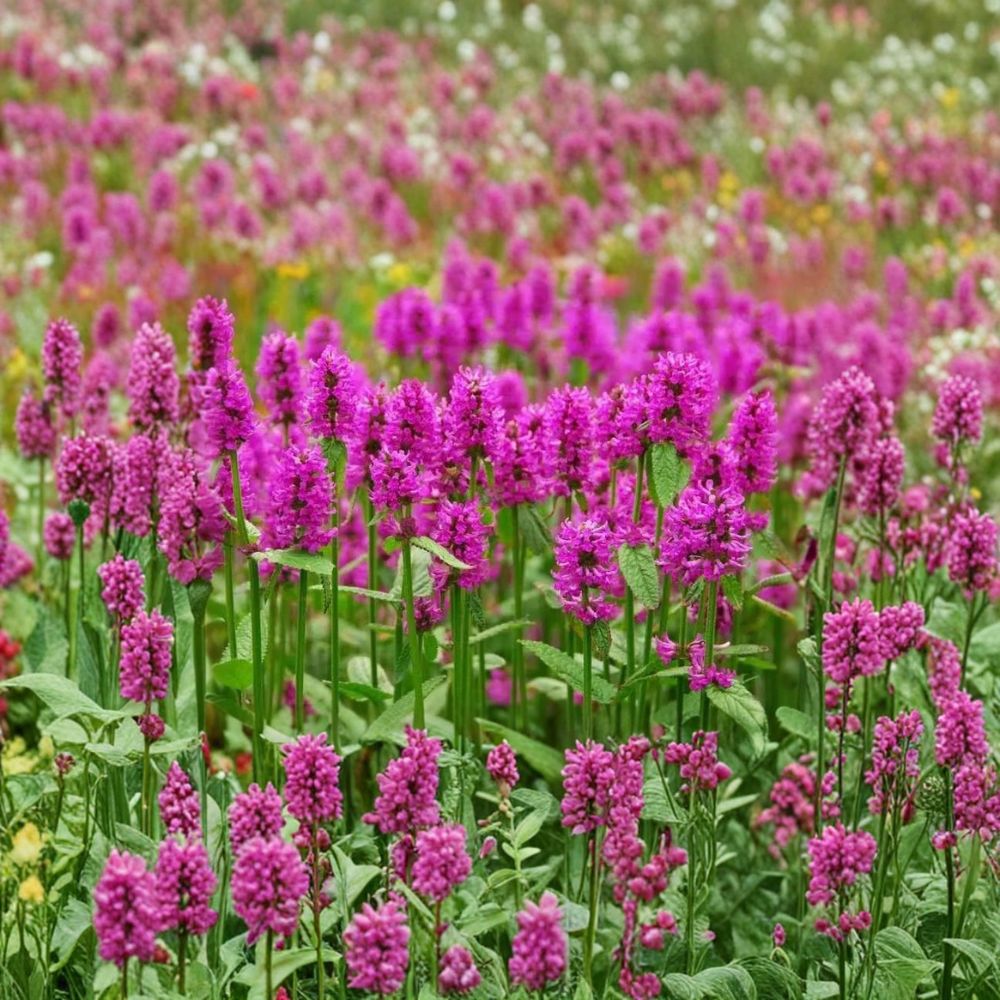
Brighten your garden with a live Agastache 'Tutti Frutti' plant, shipped fully rooted in a 1-gallon nursery pot and ready to thrive. Also known as Giant Hyssop or Hummingbird Mint, this fragrant perennial produces striking raspberry-colored flower spikes from spring through mid-fall, attracting hummingbirds, butterflies, and bees. Its aromatic foliage and long blooming season make it an excellent choice for cottage gardens, pollinator gardens, borders, patios, and sunny landscapes. You will receive a healthy, fully rooted plant similar in size and condition to the one shown in the listing photos. Mature plant photos are provided to illustrate its full growth potential.
You will receive:
✔️ 1 live Agastache 'Tutti Frutti' plant
✔️ Fully rooted in a 1-gallon nursery pot
✔️ Healthy, established perennial
✔️ Fragrant foliage with strong growth
✔️ Secure packaging for safe arrival
🌼 Growing Information
Common Name: Giant Hyssop, Hummingbird Mint
Botanical Name: Agastache 'Tutti Frutti'
Plant Type: Herbaceous perennial
Growth Stage: Established plant
Sun Requirements: Full sun (6–8 hours daily)
Soil: Well-drained soil; sandy or loamy soil preferred
Watering: Moderate; water regularly until established, then drought tolerant
Mature Height: 2–2.5 feet
Mature Width: 1–1.5 feet
Growth Rate: Moderate
Bloom Time: Spring through mid-fall
Flower Color: Raspberry pink
USDA Zones: 6–10
Container Friendly: Yes
💡 Care Tip: Plant in a sunny location with excellent drainage to prevent crown and root rot. Deadhead spent blooms to encourage continuous flowering throughout the season. Once established, this plant tolerates heat and short dry periods while providing months of colorful blooms that attract hummingbirds, butterflies, and beneficial pollinators.
Share