1
/
of
5
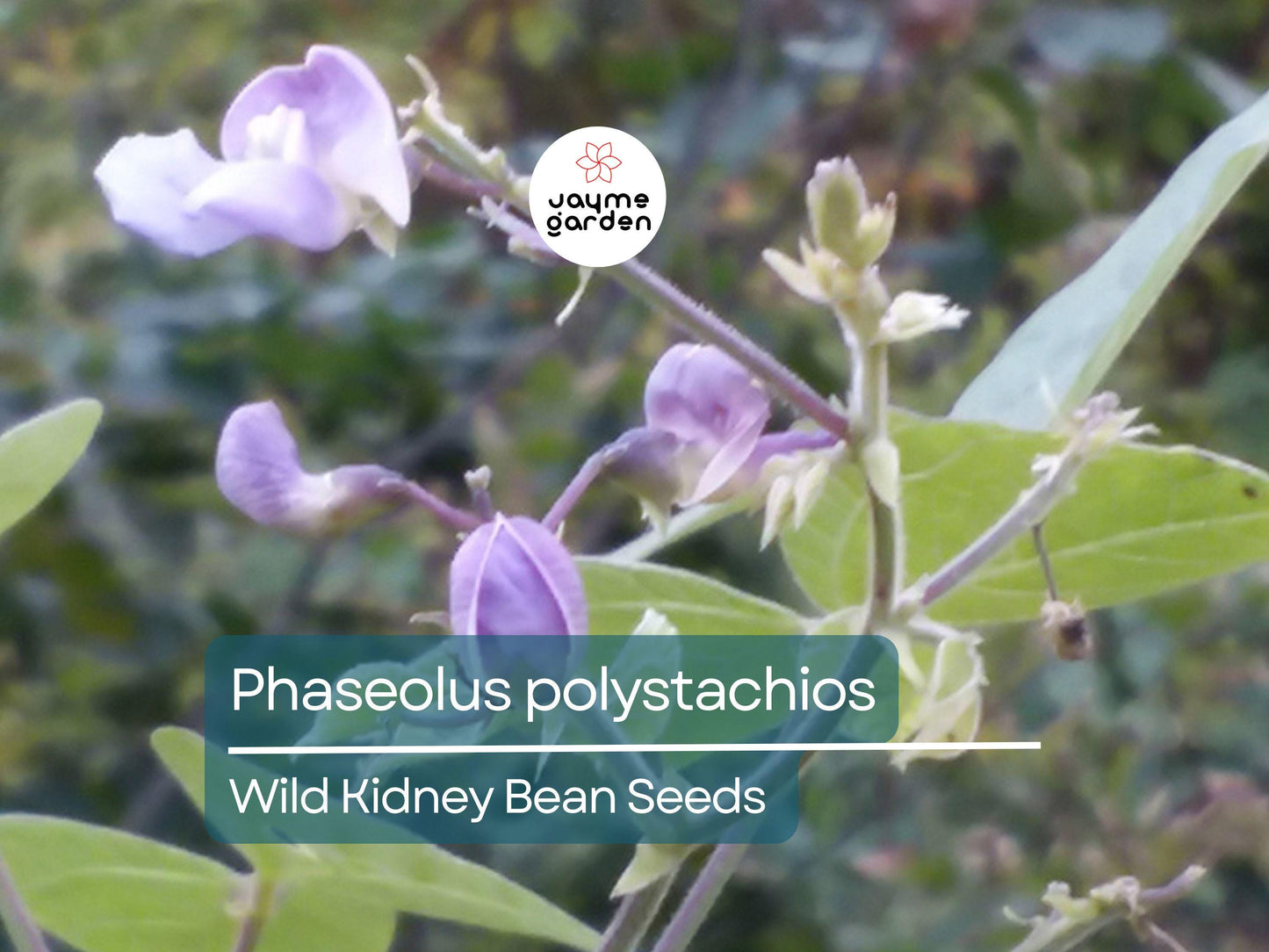
5 Seeds Phaseolus Polystachios | Wild Kidney Bean for Planting | Edible Native Perennial Climbing Vine Drought-Tolerant Pollinator-Friendly
5 Seeds Phaseolus Polystachios | Wild Kidney Bean for Planting | Edible Native Perennial Climbing Vine Drought-Tolerant Pollinator-Friendly
Regular price
$15.00 USD
Regular price
Sale price
$15.00 USD
Shipping calculated at checkout.
Quantity
Couldn't load pickup availability
You will get 5 seeds of Phaseolus Polystachios, also known as Wild Kidney Bean.
*) Native perennial climbing vine that produces edible kidney beans
*) Perfect for growing on trellises, fences, or in vertical gardens
*) Attracts pollinators like bees and butterflies with its small flowers
*) Thrives in full sun to partial shade and well-drained soils
*) Grows up to 6-10 feet tall, ideal for adding height to your garden
*) Drought-tolerant and low-maintenance once established
*) Edible beans with historical significance, perfect for wild food gardens
*) Great for naturalizing areas and supporting biodiversity
*) Hardy perennial native to North America, well-suited to local climates
Phaseolus Polystachios, commonly known as Wild Kidney Bean, is a native perennial climbing vine that produces edible beans, making it a valuable addition to gardens focused on wild edibles. This pack contains 5 seeds, offering a chance to grow this hardy, drought-tolerant plant that thrives in full sun to partial shade and well-drained soils.
Wild Kidney Bean is perfect for vertical gardening, trellises, and fences, growing up to 6-10 feet tall. In addition to providing edible beans, it attracts pollinators such as bees and butterflies, supporting your garden’s ecosystem. Once established, it is low-maintenance and drought-tolerant, making it ideal for dry climates or xeriscaping.
This plant is native to North America and has a rich history of use in wild food gardens. Whether you’re looking to create a garden with edible wild plants or enhance biodiversity in your space, Phaseolus Polystachios is a great choice. Its climbing habit and historical significance make it both functional and beautiful.
Share