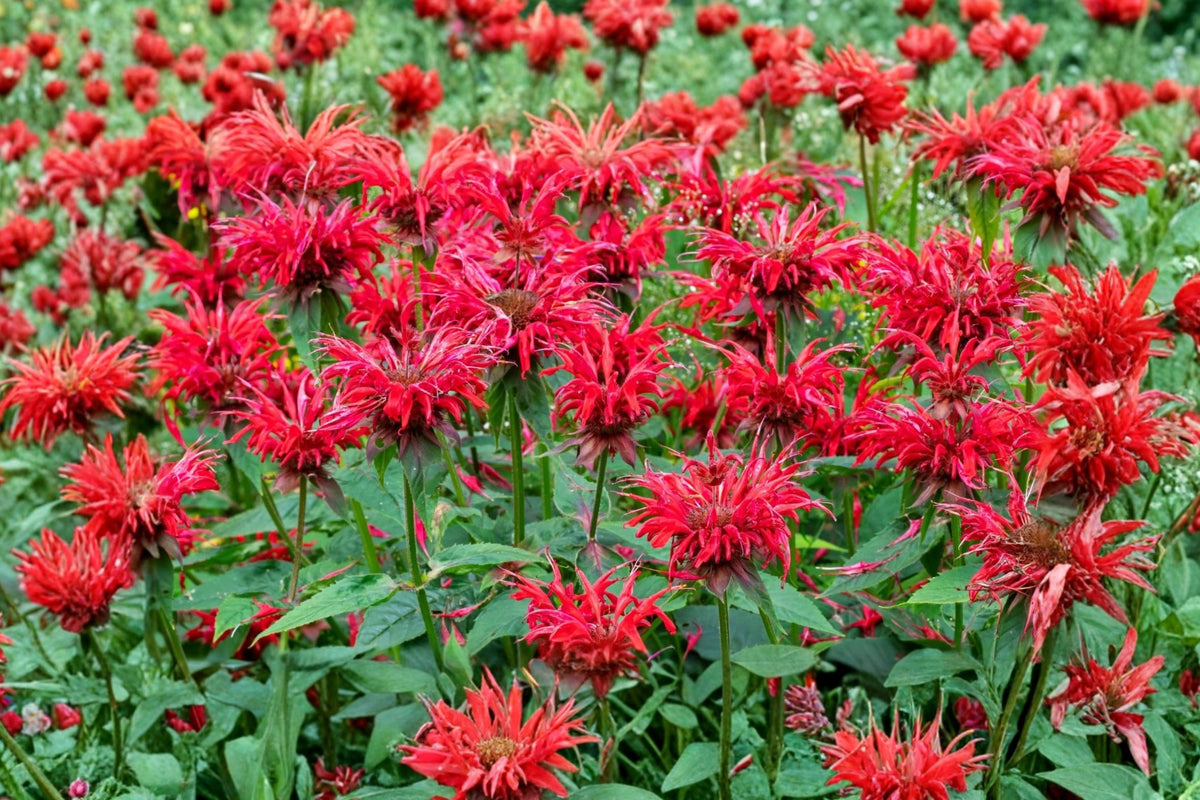
5 Mixed Color Monarda Bee Balm Live Plants – Bergamot Perennials | Pink Purple Red Flowers | Pollinator Garden Plants
5 Mixed Color Monarda Bee Balm Live Plants – Bergamot Perennials | Pink Purple Red Flowers | Pollinator Garden Plants
Couldn't load pickup availability
Bring vibrant color and pollinator activity to your garden with this set of 5 live Mixed Color Monarda Bee Balm plants. Also commonly known as Bergamot, Bee Balm is a perennial flowering plant valued for its colorful blooms and attractive garden presence. This mixed set can produce shades of pink, purple, and red, creating a varied display during the flowering season. Bee Balm is an excellent choice for perennial borders, cottage gardens, pollinator gardens, and naturalized landscapes. You will receive five healthy young plants ready for planting and continued growth.
You will receive:
✔️ 5 live Mixed Color Monarda Bee Balm plants
✔️ Mix of pink, purple, and red flowering varieties
✔️ Healthy young perennial plants
✔️ Ready for outdoor planting
✔️ Secure packaging for safe arrival
🌼 Growing Information
Common Name: Bee Balm, Bergamot
Botanical Name: Monarda sp.
Plant Type: Herbaceous flowering perennial
Growth Stage: Young established plants
Sun Requirements: Full sun to partial shade
Soil: Fertile, moist, well-draining soil
Watering: Moderate; keep evenly moist while establishing
Mature Height: Up to approximately 3 feet depending on variety and growing conditions
Growth Habit: Upright, clump-forming, and spreading perennial
Flower Color: Mixed pink, purple, and red
Bloom Season: Summer into early fall
Pollinator Interest: Attractive to bees, butterflies, and hummingbirds
USDA Zones: Varies by Monarda variety; many are hardy in approximately Zones 3–9
Container Friendly: Yes
💡 Care Tip: Plant your Bee Balm in fertile, well-draining soil with good airflow and plenty of sunlight for strong flowering. Keep the soil consistently moist while the young plants establish, but avoid prolonged waterlogging. Removing spent blooms can encourage a tidy appearance and potentially extend flowering. As herbaceous perennials, plants may naturally die back during colder seasons and return with new growth when conditions warm.
Share