3 Red Hot Poker Plants | Live Kniphofia Perennials | Torch Lily Bareroot | Pollinator Friendly | Full Sun | Easy to Grow
3 Red Hot Poker Plants | Live Kniphofia Perennials | Torch Lily Bareroot | Pollinator Friendly | Full Sun | Easy to Grow
Couldn't load pickup availability
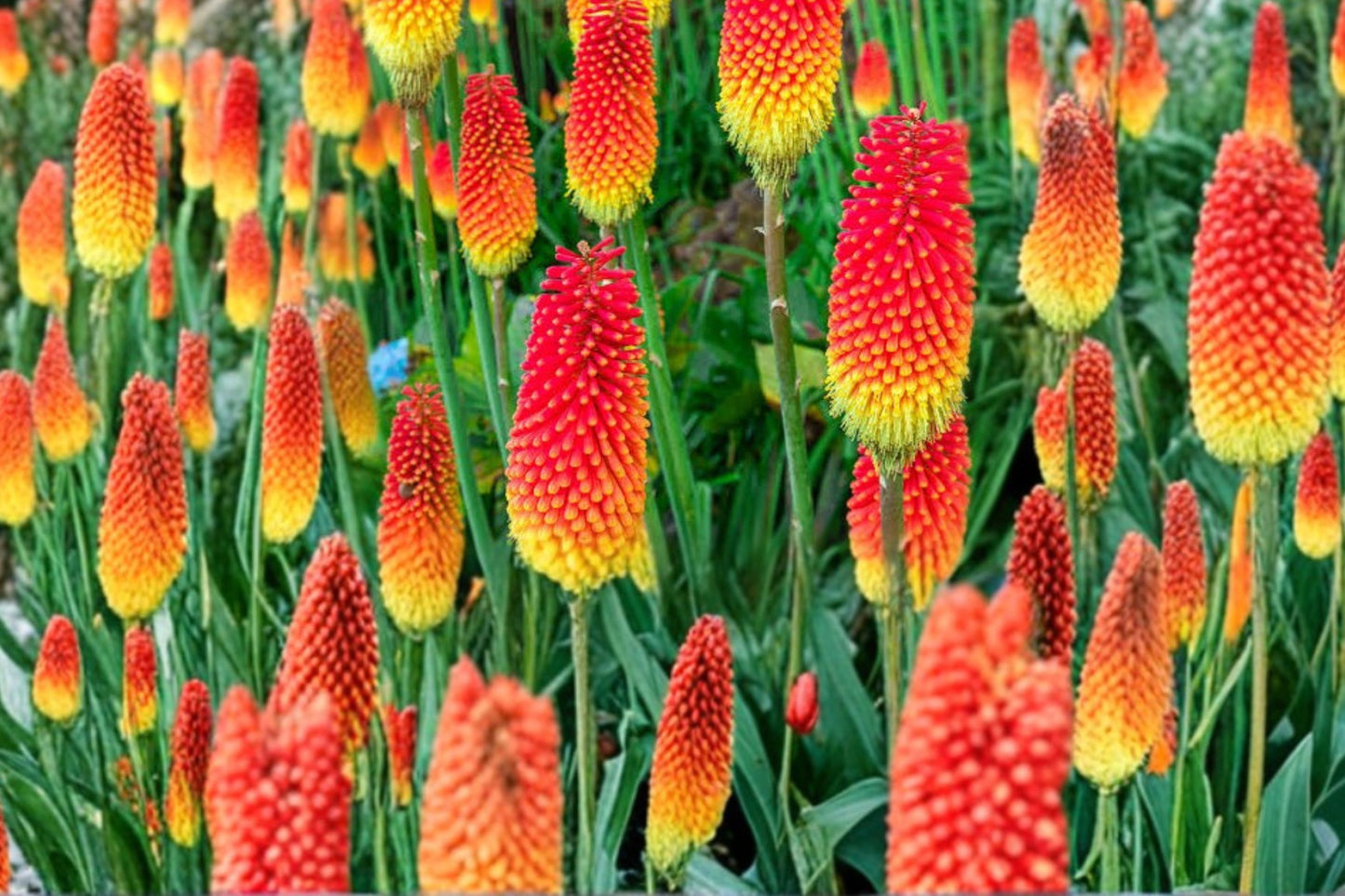
Add bold color and dramatic height to your garden with 3 Red Hot Poker Perennial Plants. Also known as Torch Lily (Kniphofia spp.), these striking perennials produce tall flower spikes in brilliant shades of red, orange, and yellow that bloom throughout summer and attract hummingbirds, butterflies, bees, and other pollinators.
These hardy bareroot plants establish quickly and thrive in sunny locations with well-drained soil. Their drought tolerance, low-maintenance nature, and eye-catching blooms make them an excellent choice for borders, cottage gardens, pollinator gardens, and mass plantings.
Key Features
- Botanical Name: Kniphofia spp.
- Common Name: Red Hot Poker, Torch Lily
- Plant Type: Herbaceous Perennial
- Flower Color: Red, Orange, and Yellow
- Quantity: 3 Live Bareroot Plants
- Plant Condition: Dormant bareroot plants; growth stage varies by season
- Mature Height: 24–48 inches
- Spread: 18–24 inches
- Bloom Season: Summer through Early Fall
- Growth Habit: Upright, Clumping
- Light Requirements: Full Sun
- Water Needs: Moderate; drought tolerant once established
- USDA Hardiness Zones: 5–9
Why You'll Love It
- Brilliant torch-shaped flower spikes
- Excellent hummingbird, butterfly, and bee plant
- Long-lasting summer blooms
- Easy to grow and low maintenance
- Drought tolerant once established
- Deer resistant
- Great architectural accent
- Returns larger each year
Perfect For
- Pollinator gardens
- Hummingbird gardens
- Cottage gardens
- Sunny borders
- Mixed perennial beds
- Mass plantings
- Rock gardens
- Xeriscape landscapes
- Cut flower gardens
Care Instructions
Plant bareroots in well-drained soil with the crown at soil level. Choose a location with full sun for the best flowering. Water regularly during establishment, then reduce watering as plants mature. Remove spent flower stalks to encourage continued blooming and cut back old foliage in late winter or early spring.
Share