3 Goldsturm Black Eyed Susan Live Plants | Rudbeckia Perennial | Pollinator Friendly | Hardy Full Sun Flowers | Starter Plants
3 Goldsturm Black Eyed Susan Live Plants | Rudbeckia Perennial | Pollinator Friendly | Hardy Full Sun Flowers | Starter Plants
Couldn't load pickup availability
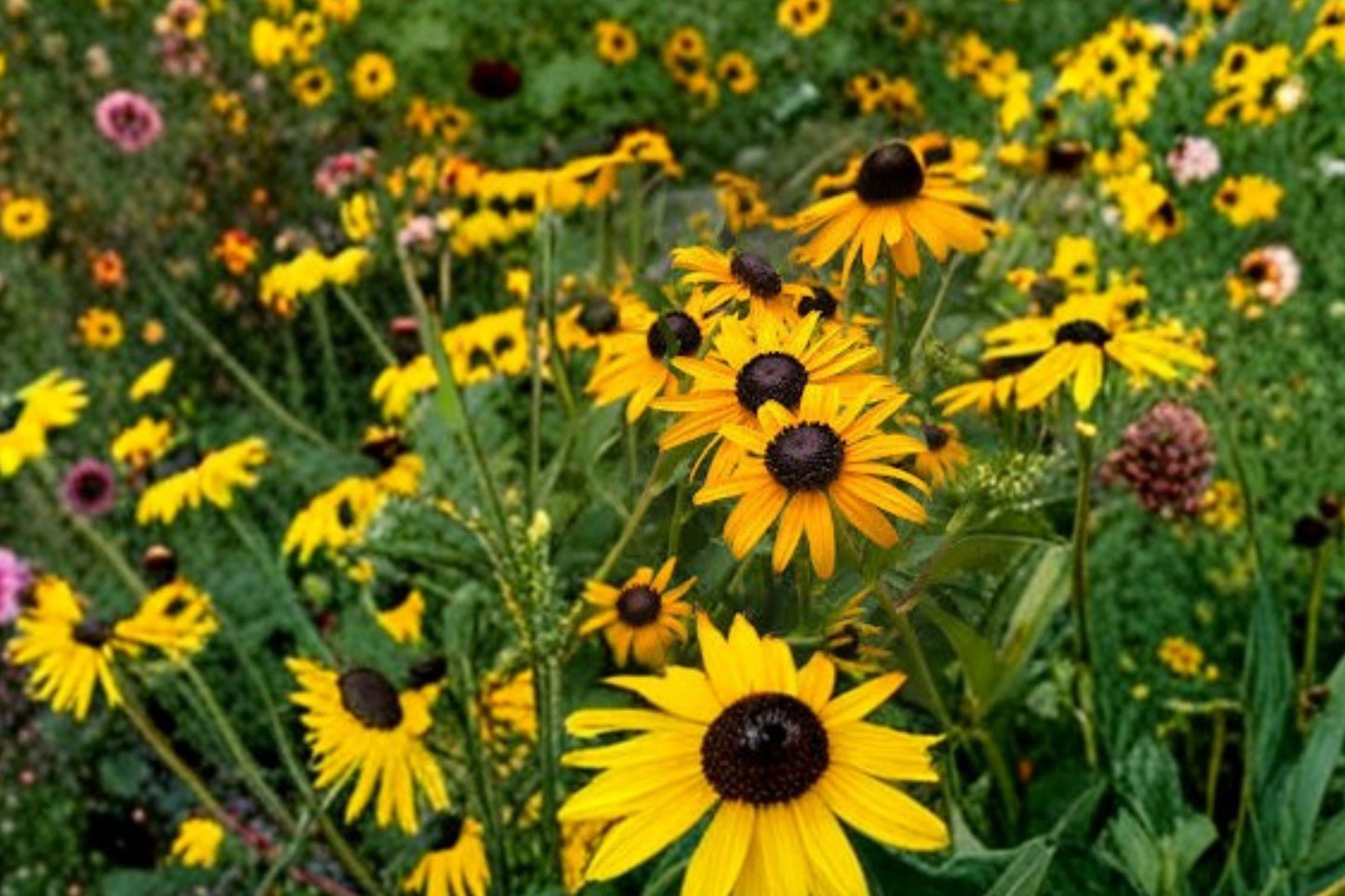
Brighten your garden with 3 Rudbeckia fulgida 'Goldsturm' Starter Plants, one of the most popular and dependable flowering perennials for sunny landscapes. Commonly known as Black-Eyed Susan, this award-winning variety produces masses of brilliant golden-yellow daisy flowers with distinctive dark brown centers from midsummer into fall.
Easy to grow and exceptionally hardy, Goldsturm attracts butterflies, bees, and other beneficial pollinators while providing valuable seeds for birds during winter. Its long bloom season and low-maintenance nature make it a favorite for cottage gardens, native landscapes, prairie plantings, and perennial borders.
Key Features
- Botanical Name: Rudbeckia fulgida 'Goldsturm'
- Common Name: Goldsturm Black-Eyed Susan
- Plant Type: Herbaceous Perennial
- Quantity: 3 Live Starter Plants
- Flower Color: Golden Yellow with Dark Brown Centers
- Foliage Color: Deep Green
- Mature Height: 24–36 inches
- Spread: 18–24 inches
- Bloom Season: Mid-Summer through Fall
- Growth Habit: Upright, Clump Forming
- Light Requirements: Full Sun
- Water Needs: Moderate; drought tolerant once established
- USDA Hardiness Zones: 3–9
Why You'll Love It
- Long-lasting golden blooms
- Excellent pollinator plant for bees and butterflies
- Seed heads provide winter food for birds
- Drought tolerant once established
- Deer resistant
- Easy to grow and low maintenance
- Beautiful in mass plantings
- Outstanding cut flowers
Perfect For
- Pollinator gardens
- Cottage gardens
- Prairie gardens
- Native landscapes
- Perennial borders
- Cut flower gardens
- Mass plantings
- Sunny flower beds
Care Instructions
Plant in full sun and well-drained soil. Water regularly while establishing, then only during extended dry periods. Leave spent seed heads through winter for added seasonal interest and to provide food for songbirds. Cut back old growth in early spring before new growth appears.
Share