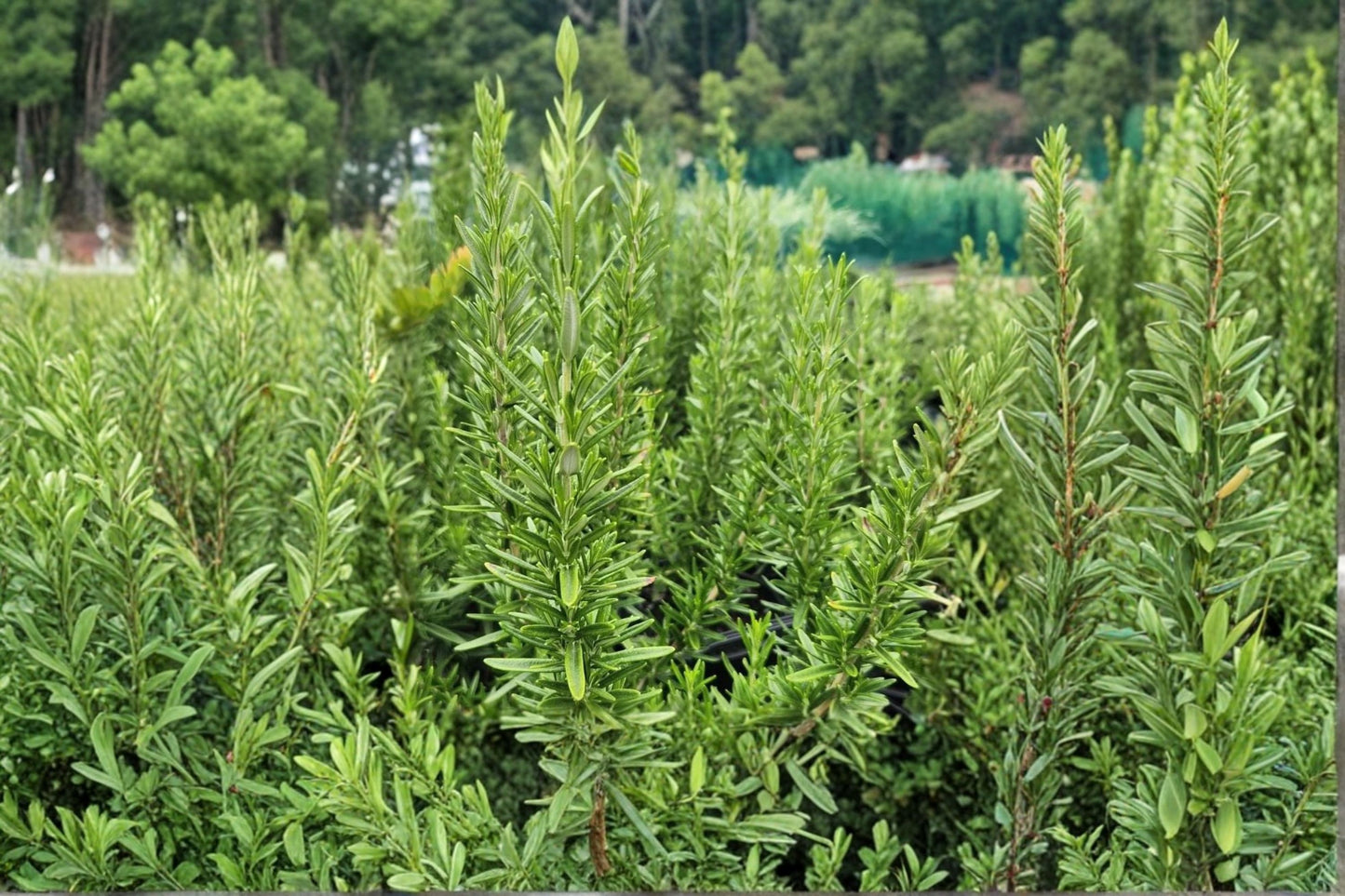
2 Live Rosemary Herb Plants | Hardy Culinary Herb | Drought Tolerant | Full Sun Herb Garden | Fragrant Evergreen Starter Plants
2 Live Rosemary Herb Plants | Hardy Culinary Herb | Drought Tolerant | Full Sun Herb Garden | Fragrant Evergreen Starter Plants
Couldn't load pickup availability
Grow your own fresh herbs with 2 Live Rosemary Starter Plants, a fragrant evergreen herb prized for its aromatic foliage, culinary versatility, and ornamental beauty. Rosemary is an easy-to-grow perennial in warm climates and thrives in sunny gardens, raised beds, containers, and patio planters.
Its needle-like evergreen leaves provide fresh flavor for roasting, grilling, breads, soups, and seasoning blends, while its delicate blue flowers attract bees and butterflies. Drought tolerant once established and naturally deer resistant, rosemary is an excellent choice for edible landscapes and low-maintenance gardens.
Key Features
- Botanical Name: Salvia rosmarinus (formerly Rosmarinus officinalis)
- Common Name: Rosemary
- Plant Type: Evergreen Herb
- Quantity: 2 Live Starter Plants
- Foliage Color: Deep Green
- Flower Color: Blue to Lavender
- Mature Height: 2–4 feet
- Spread: 2–4 feet
- Bloom Season: Spring to Summer
- Growth Habit: Upright, Bushy
- Light Requirements: Full Sun
- Water Needs: Low; drought tolerant once established
- USDA Hardiness Zones: 8–11 (Can be grown as an annual or overwintered indoors in colder climates.)
- Characteristics: Culinary Herb, Fragrant, Evergreen, Deer Resistant, Pollinator Friendly, Drought Tolerant
Why You'll Love It
- Fresh rosemary for cooking year-round
- Wonderful fragrance
- Easy to grow
- Drought tolerant once established
- Attracts bees and butterflies
- Deer resistant
- Excellent for containers and herb gardens
- Evergreen foliage provides year-round beauty
Perfect For
- Herb gardens
- Raised beds
- Container gardening
- Kitchen gardens
- Edible landscapes
- Mediterranean gardens
- Patio planters
- Pollinator gardens
Care Instructions
Plant in full sun in well-drained soil. Water regularly until established, then allow the soil to dry slightly between waterings. Avoid overwatering, especially during cooler months. Prune lightly to maintain a compact shape and encourage fresh growth. In colder climates, grow in containers and bring indoors before freezing temperatures.
Share