2 English Lavender Plants | Live Lavender Perennials | Fragrant Herb | Pollinator Friendly | Full Sun | Hardy Garden Plants
2 English Lavender Plants | Live Lavender Perennials | Fragrant Herb | Pollinator Friendly | Full Sun | Hardy Garden Plants
Couldn't load pickup availability
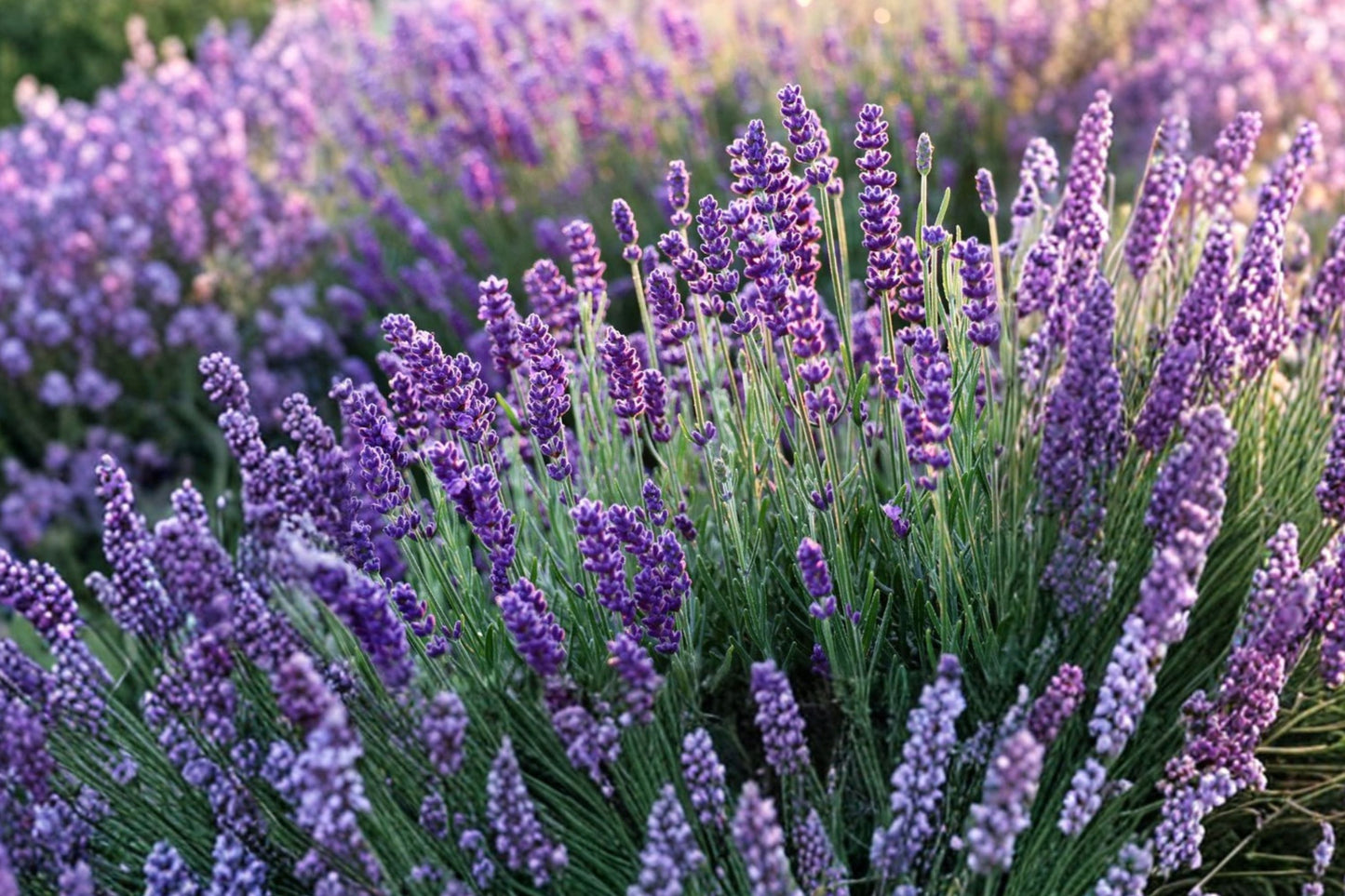
Enjoy the timeless beauty and soothing fragrance of 2 English Lavender Perennial Plants. English Lavender (Lavandula angustifolia) is a beloved perennial known for its aromatic purple flower spikes, silvery-green foliage, and exceptional ability to attract bees, butterflies, and other beneficial pollinators.
These healthy live plants are easy to grow, drought tolerant once established, and perfect for herb gardens, cottage gardens, borders, containers, and cut flower arrangements. Their fragrant blooms also dry beautifully for sachets, wreaths, and home décor.
Key Features
- Botanical Name: Lavandula angustifolia
- Common Name: English Lavender
- Plant Type: Herbaceous Perennial
- Flower Color: Purple
- Foliage Color: Silver-Green
- Quantity: 2 Live Plants
- Plant Condition: Healthy live plants; growth stage varies by season
- Mature Height: 18–24 inches
- Spread: 18–24 inches
- Bloom Season: Late Spring through Summer
- Growth Habit: Compact, Mounded
- Light Requirements: Full Sun
- Water Needs: Low once established
- USDA Hardiness Zones: 5–9 (hardiness may vary by cultivar)
Why You'll Love It
- Wonderfully fragrant flowers and foliage
- Attracts bees, butterflies, and other pollinators
- Easy to grow and low maintenance
- Drought tolerant once established
- Deer and rabbit resistant
- Perfect for fresh and dried flower arrangements
- Excellent culinary and herbal plant
- Returns year after year
Perfect For
- Herb gardens
- Pollinator gardens
- Cottage gardens
- Rock gardens
- Sunny borders
- Patio containers
- Walkway edging
- Cut flower gardens
- Xeriscape landscapes
Care Instructions
Plant in well-drained soil in full sun. Water regularly until established, then reduce watering as lavender prefers drier conditions. Avoid overly wet soils, especially during winter. Lightly prune after flowering and perform a heavier pruning in early spring to encourage compact, healthy growth.
Share